Breaking News

Ohio’s spring wildlife season begins before spring

Hannah Swope Wildlife/Forestry Specialist, Washington Soil and Water Conservation District While many people think of spring as starting in late March, Ohio’s wildlife season actually begins weeks earlier. By mid- to late February, animals across the state are already responding to warmer temperatures, longer daylight hours, and seasonal rains. According to the Ohio Division of Wildlife, late winter and early spring are important months for breeding, nesting, and raising young for many native species. Understanding what wildlife is doing during these months can help Ohio residents ...
MOV Climate Corner: World Water Day

MOV Climate Corner Vic Elam Last Sunday, March 22, was proclaimed by the United Nations as World Water Day. The theme this year was “Where Water Flows Equality Grows.” This year, attention was given to the plight of women around the world. Globally, more than 1 billion women lack access to safely managed drinking water services. In 53 countries that collect the data, women and girls spend 250 million hours per day on water collection – more than 3 times that of men and boys. Unsafe water, sanitation, and hygiene are responsible for the deaths of about 1,000 children under 5 ...

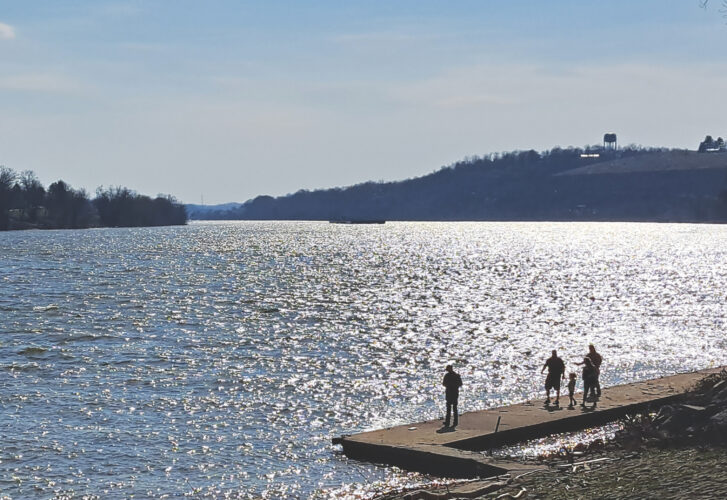
Sunny shoreline

A family is silhouetted as they walk along a dock on the Ohio River near the Marietta levee on a sunny afternoon recently. If you have a recent photo that showcases the beauty of the Mid-Ohio Valley, submit it to Art Smith at asmith@mariettatimes.com for possible inclusion on this page. See ...

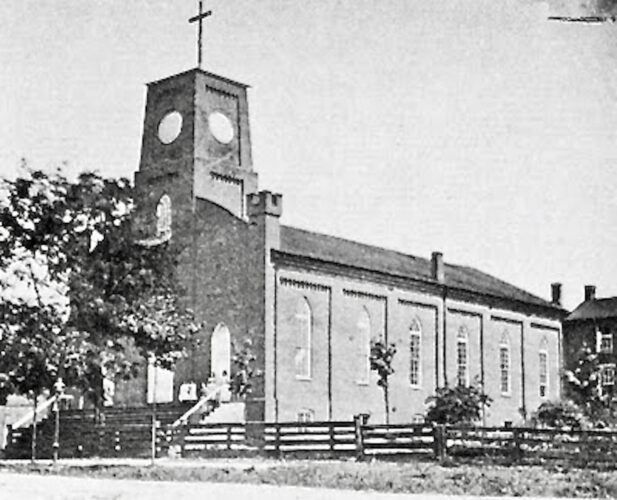
Catholic Church in Marietta

Early Marietta David B.Baker The Catholic Church identifies as the first Christian Church, but it was not the first in the Ohio Country. Most early settlers in Marietta and southeast Ohio were Protestants from New England. The James Archer family in Noble County, Ohio, is said to be the ...

MOV Climate Corner: An icy desert

By Gina Mannarino Antarctica, known as the South Pole, is the coldest, windiest and most remote of the seven continents. Its name comes from the Greek meaning “opposite to the bear.” It has no native peoples and no polar bears but is home to about five million penguins. Whales, seals and sea birds are important parts of the ecosystem. In the 1770s, Captain James Cook was the first person to circumnavigate the continent. Later expeditions were searching for commercial opportunities, hunting for seals or whales. In the early 20th Century, Norwegian explorer Roald Amundsen and ...

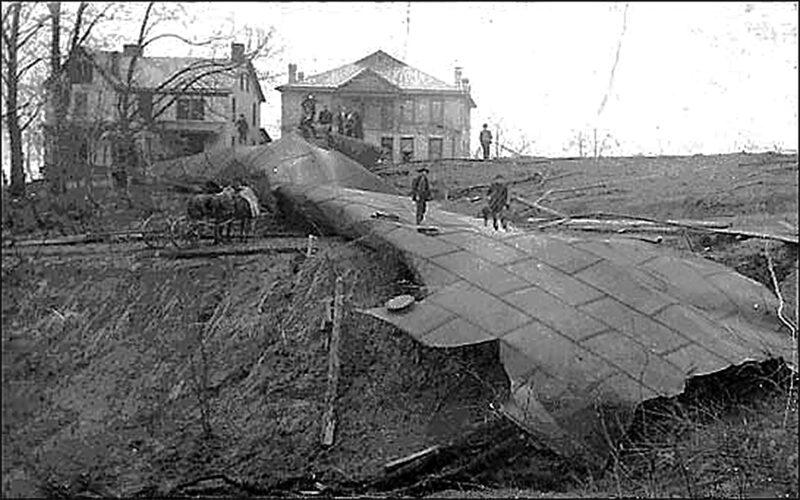
The destructive power of water

The Way I See It Art Smith One of the worst floods in Parkersburg history came not from the rivers, but from a hilltop overlooking the city. Today there is a quiet park at the top of Quincy Street. It can be reached by car, or you can take the stairs. Nearly 200 of them will ...