
“Ephemeral-ly yours”: Harbingers of spring?
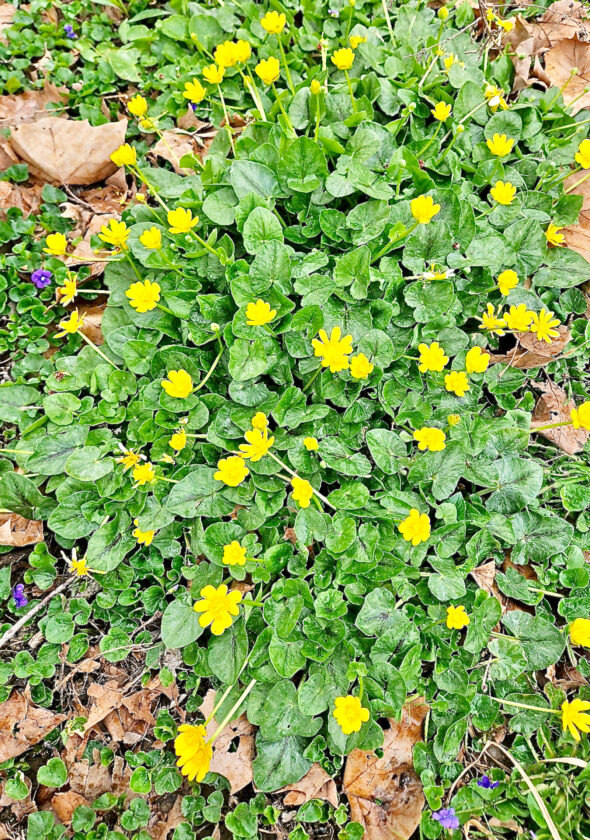
Photo provided by Lynn Wiblin
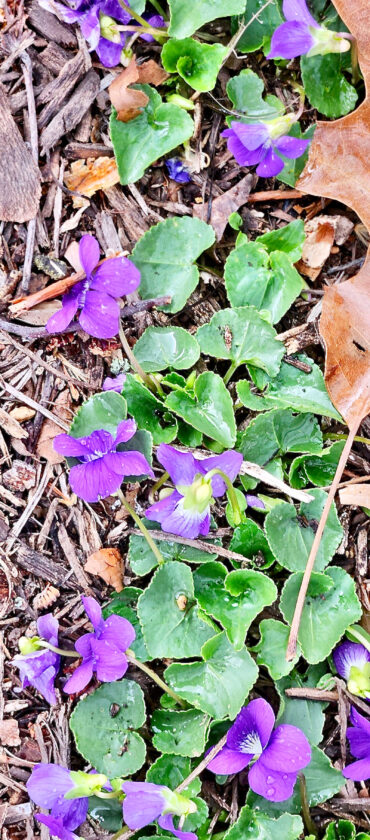
Photo provided by Lynn Wiblin
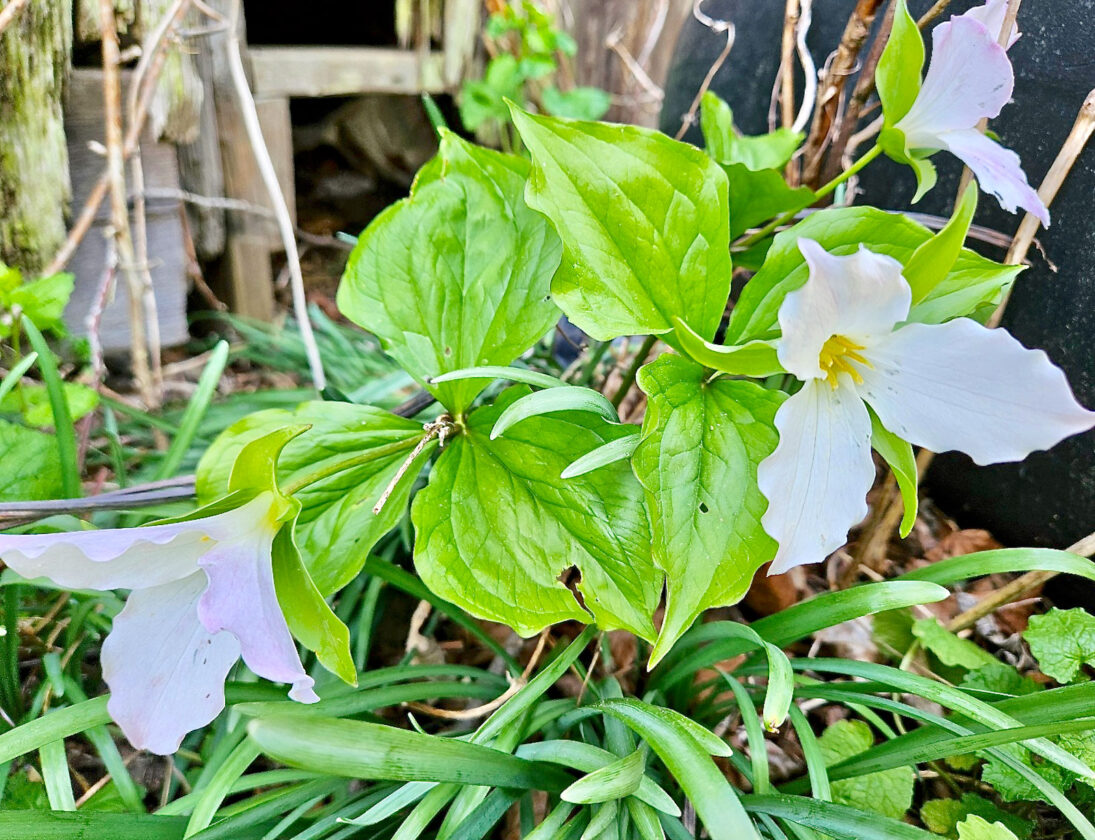
Photo provided by Lynn Wiblin
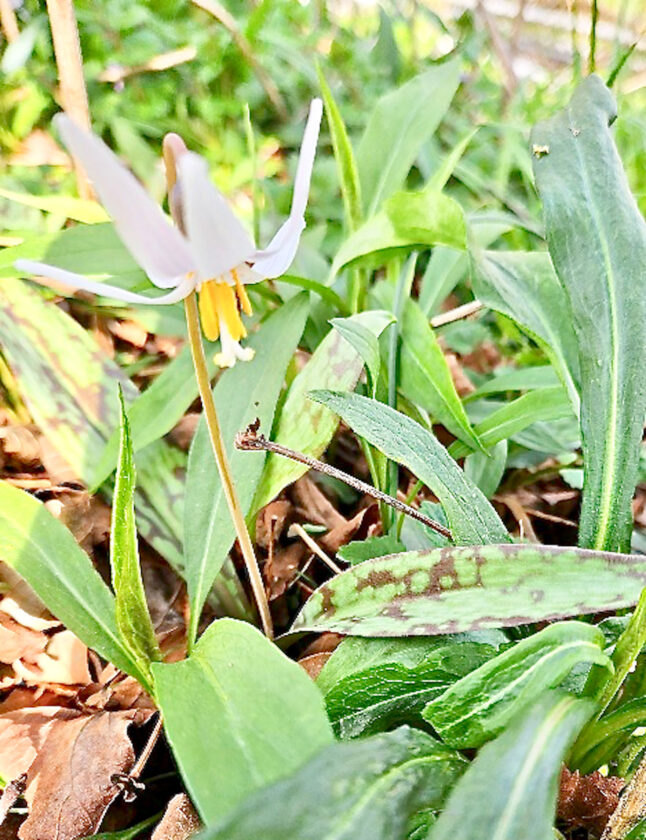
Photo provided by Lynn Wiblin
Photo provided by Lynn Wiblin
Photo provided by Lynn Wiblin
Photo provided by Lynn Wiblin
Photo provided by Lynn Wiblin
Trending
Every year I look forward to the spring ephemerals with great hope, especially after the cold and dark of winter. Some of you will know them by a different name, the first spring flowers or wildflowers you see, sometimes even when the snow is still on.
So, what is an ephemeral? It is a plant that is short lived, with a short cycle of growth, flowering and going to seed, usually in a few weeks or so. There are four types of ephemerals: Spring ephemerals, Desert Ephemerals, Mud-flat Ephemerals, and Weedy ephemerals.
In the past, spring ephemerals were considered a group of wildflowers that bloomed in early spring for only a short period of time. However, now you can buy even woodland ephemerals to plant in your garden or other areas of your property. They are generally visible while the ground is moist and before leaves appear on the trees. The leaves often wither and only have underground structures for the rest of the year. Some of the most popular ephemerals are daffodils, tulips and crocus. Some others are trilliums, trout lilies and Dutchman's breeches. Spring ephemerals usually pop up in March, April and May here in our Zone 6 growing zone.
Desert ephemerals have adapted to very short growing seasons in the desert or dry areas and may only sprout up when water is present for a short time, even overnight. They survive through seed dormancy in the dry season. They may have thicker leaves and stems to hold water, or very deep roots. Basalt spring parsley is an example.
Mud-flat ephemerals will grow when the level of water in a body (creek, lake, etc.) is at a low level created by natural means or manmade, and quickly drop seeds that bury in the mud and stay there until the next low water period. Field milkwort and water-willow are some examples.
Weedy ephemerals pop up when the ground has been disturbed, usually in a recurring manner, such as plowing a field. Unlike the other types of ephemerals, they take advantage of their human induced environment, rather than the natural environment that other ephemerals have adapted to. An example of this type of plant, which pops up in your garden after tilling, is hairy bittercress.
Circling back around to our spring ephemerals though, we look forward to them as the short harsh days of winter are waning and may even pick some to brighten up the house. However, be careful when picking wildflower ephemerals, some are protected and collecting them is prohibited in parks, for example drooping trillium, wild geranium, and yellow trout lily just to name a few. If you are growing your own, of course, you can do as you please, but make sure you do some research when choosing what you want to see popping first in the spring. Growers should be informed, prepared, and patient. I've had Trout lilies take 5-6 years to bloom, some may take less, and some more.
Most of them like to be left to themselves, so once they are done flowering, it is recommended to leave the stems and spent flowers alone, as they are gathering nutrients to get them through the next season and next flower stages.
Planning and patience go hand in hand with spring ephemerals, but if you take the time to plant (usually in the fall), you will have an early color show next year to get you going for your next season!
Lynn Wiblin has a bachelor's degree from Marshall University. She has been a Master Gardener volunteer for 10+ years, and enjoys reading and gardening, of course!