
Brickmaking in Marietta
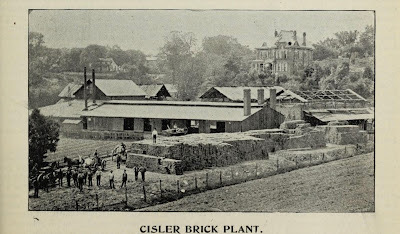
Cisler brick plant ca 1900. The Thomas Cisler home appears in upper right of photo. (Photo provided by the Early Marietta local history blog)
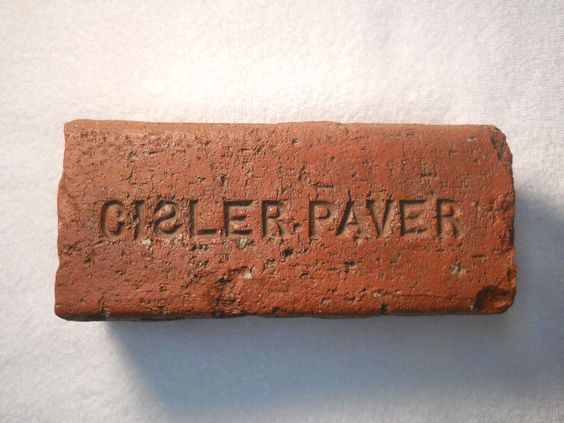
A rare reversed S on paver brick. (Photo provided by the Early Marietta local history blog)
Cisler brick plant ca 1900. The Thomas Cisler home appears in upper right of photo. (Photo provided by the Early Marietta local history blog)
A rare reversed S on paver brick. (Photo provided by the Early Marietta local history blog)
Trending
Brick making was a big deal for Marietta. There was plenty of clay soil in the area, along with lots of entrepreneurial energy. The earliest brick facility dates to the year of Marietta's founding in 1788. Around 1900, there were several brickyards, employing hundreds of people. The largest were Cisler Brick located near the former YMCA and Frontier Shopping Center, Sterling Brick along Montgomery and Eighth Streets, and Acme Brick on...wait for it...Acme Street.
By 1940, the local brickyards had closed. Unfortunately, we still have the clay soil which is not good for growing and is prone to land slips. Thomas Cisler Brickworks is pictured above; the Cisler home is in the upper right of the photo.
The brick imprinted with a backwards S is a paver, a larger brick used in street paving. Brick streets became very popular in the late 1800s. Brick was a welcome solution to a street problem shared then by all communities. Almost all streets then were unpaved dirt surfaces which were, uh, dirty. They became boot-sucking quagmires after a rain and dusty rutted hard pan in the summer. A "mud room" was a necessity in homes of the period, not just the quaint convenience of today.
Marietta City Council Paving Chairman Seymour Hathaway in 1896 praised bricks as pavement material. They were smooth, durable, easy to repair or replace, and sanitary – compared to other surfaces which he noted could accumulate "refuse matter which is bound to be left to fester in the sun and cast its mal-odor" into the area. Refuse matter? "Mal-odor"? It took your author a while to realize that the "refuse matter" was horse manure. Streets then were used by horses; there were no cars or trucks yet.
Marietta still has several miles of brick streets, though many streets here and elsewhere have been paved over with asphalt.