
Nitty gritty
Campus Martius series showcases tools of the trade
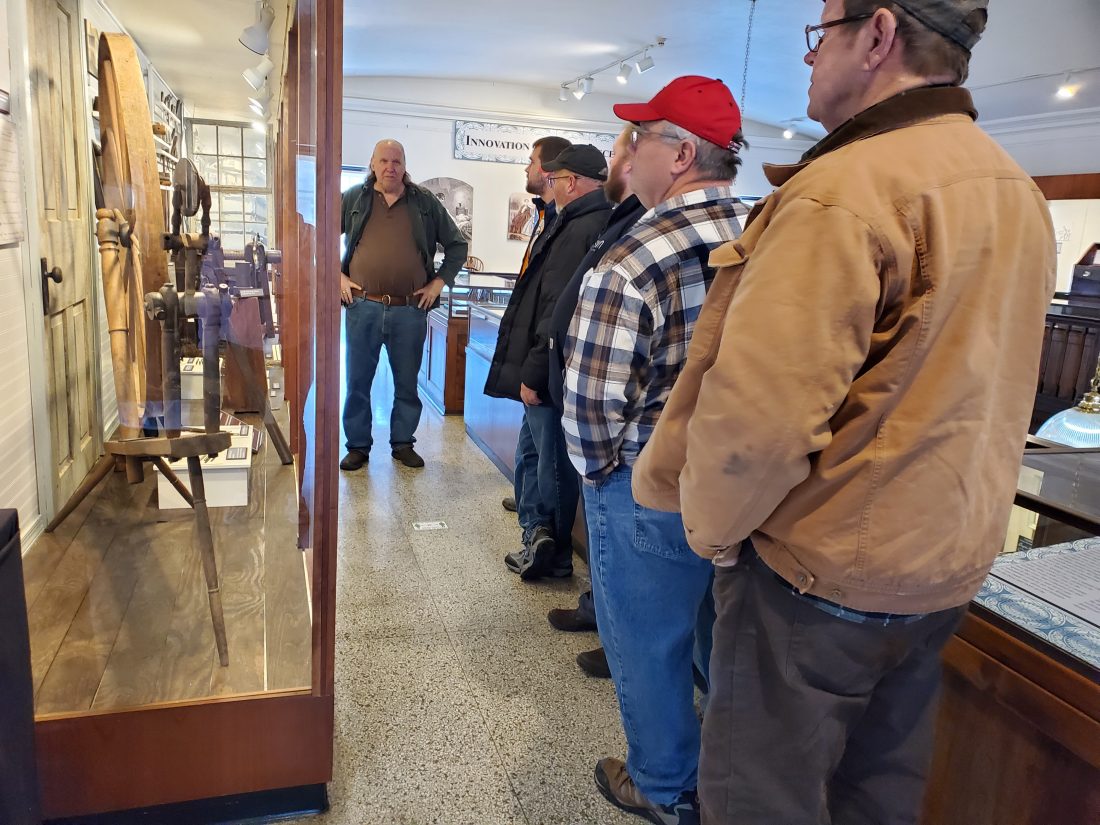
Bill Reynolds takes the group on a tour of the museum’s gun exhibit, which focuses on the Vincent Gunsmithing legacy.
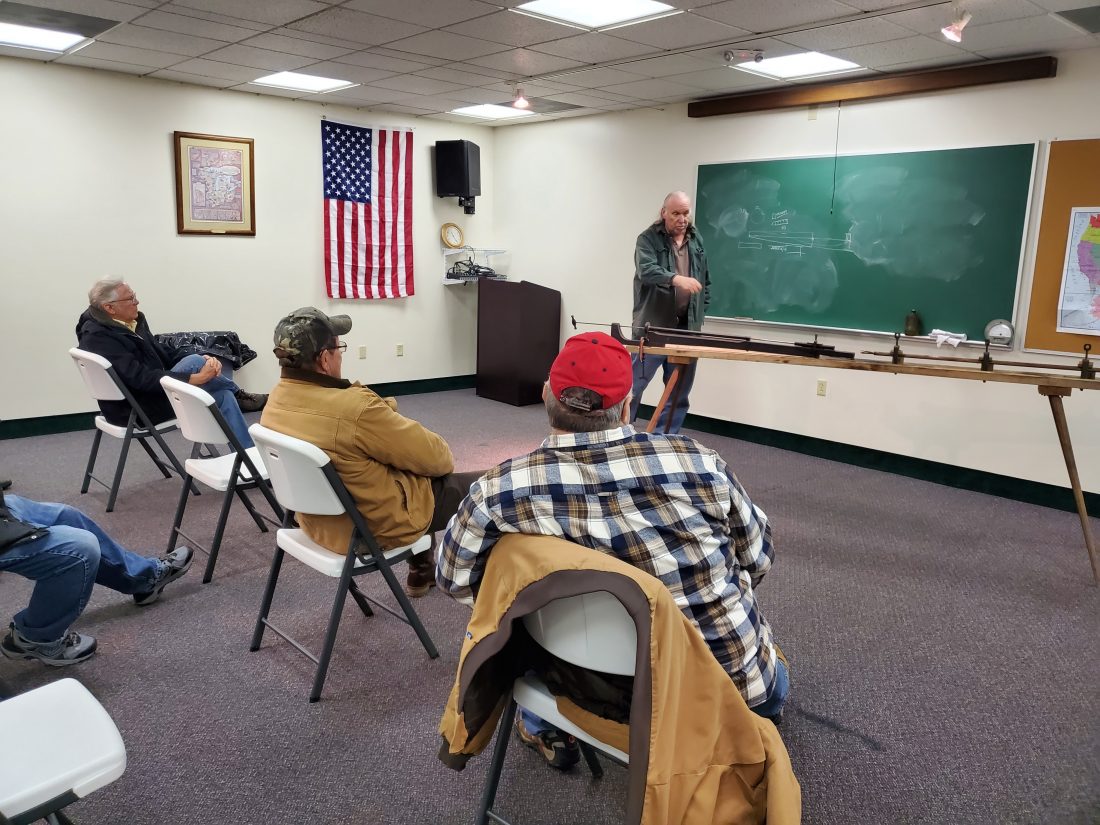
Photos by Madeline Scarborough Bill Reynolds demonstrates using a rifling machine to the group.
Bill Reynolds takes the group on a tour of the museum’s gun exhibit, which focuses on the Vincent Gunsmithing legacy.
Photos by Madeline Scarborough Bill Reynolds demonstrates using a rifling machine to the group.
Trending
Campus Martius and the Ohio River museums kicked off their new program called the Nitty Gritty Series on Saturday.
The events will explore the finer aspects of chosen exhibits in the museums.
Saturday's presentation was on gunsmithing techniques and was presented by Bill Reynolds, a local gun maker and historian.
Reynolds focused on gun barrel rifling machines, common tools of gunsmiths and stock inlay patterns and techniques.
He took the group on a tour of his shop, taught them about tools and led them around the museum to see original pieces and to learn about the Vincent Gunsmithing legacy.
He touched on the methods used in building the Vincent Rifle, demonstrated a rifling machine and taught about freshening barrels, rates of twist and the history of gunmaking.
Other topics to be covered in the series:
∫ Feb. 5, Quilling - Creating the Perfect Valentine.
∫ April 16, Weaving Machines and Basic Weaving Techniques.
∫ May 21, Steam Power on Land and Water.
∫ July 9, Civil War Cannons and Mortars and Projectiles, Oh My!
∫ Aug. 20, Modern Hand Quilting.
∫ Nov. 12, Timber Tools and Framing on the Frontier.
Presenters will share stories and expertise with participants.
This program is for adults. Students ages 12 to 18 must have parental supervision. Reservations are required and the cost is $25 per person.
Madeline Scarborough can be reached at mscarborough@newsandsentinel.com
The Vincent Gunsmithing Legacy
"During the 19th and 20th century over 3000 gunsmiths worked in various local communities in Ohio building and repairing firearms for the local population.
Two of the more famous were located in Barlow Township, Washington County. John Dustin Vincent and his son John Caleb Vincent worked in this trade from the1840's until Caleb's death in 1918.
After many years of farming the rocky Vermont soil William took an interest in gun making William Vincent migrated to the Ohio Valley in search of richer earth and new opportunities to apply his skill as a cabinetmaker and farmer. He settled in Barlow Township in 1800 at a place aptly named 'Rocky Point'.
Later his son and grandson would begin several decades of the gun making tradition.
As with many farmers, winter was a time of little productivity and many turned to other trades to supplement their income. William Vincent made furniture and taught his son John the trade who began production of spinning wheels and yarn winders.
John also took an interest in gun making and apprenticed himself to a gunsmith from Waterford, Ammon Ford, who taught him the craft. John in turn would pass his skill to his son Caleb who continued the tradition of gun building until his death in 1918."
Source: Campus Martius Museum