
The Stone Age: Giant grindstones once shipped nationwide
Giant grindstones once shipped nationwide
-
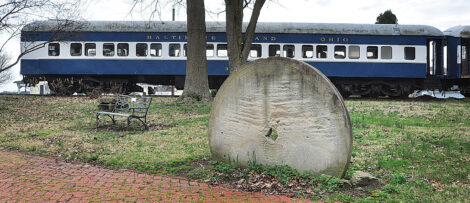
- A grindstone that is part of a small park near the west end of the Historical Harmar Village Bridge. Photo by Art Smith
-
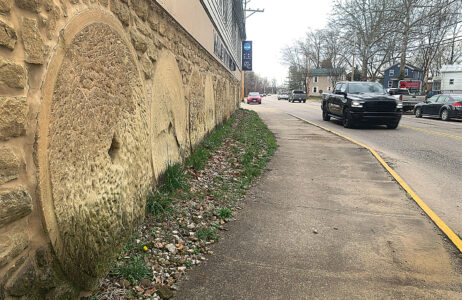
- Grindstones were used in the walls of the Marietta College boathouse on Gilman Avenue. Photo by Art Smith
-
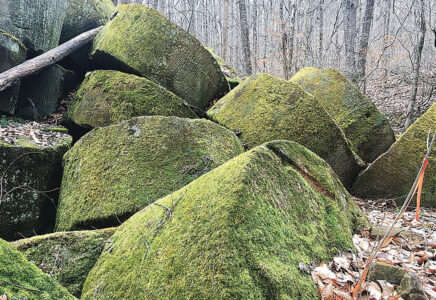
- A pile of grindstones at an old quarry behind the Washington County Career Center. Photo by Art Smith
-
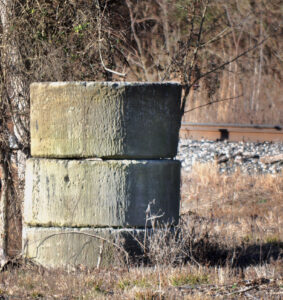
- A pile of three stones along Ohio 7 near Belpre. Photo by Art Smith
-
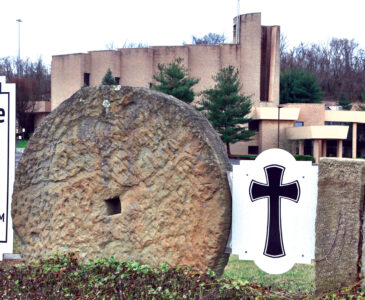
- A grindstone that is part of the sign for St. Ambrose Catholic Church in Belpre. Photo by Art Smith
-
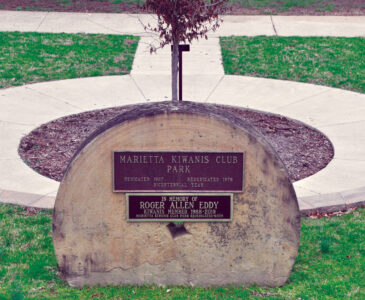
- A grindstone that is part of a park on the west side of the Muskingum River. Photo by Art Smith
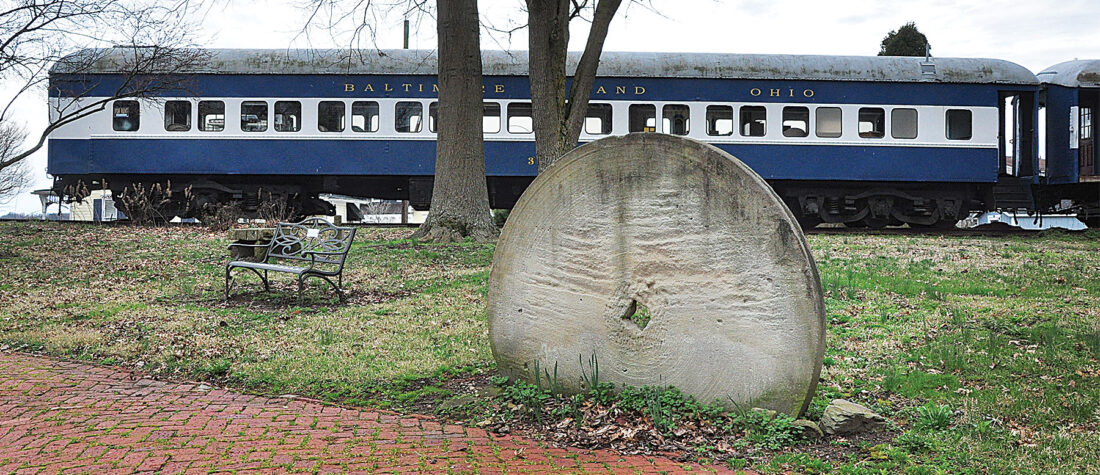
A grindstone that is part of a small park near the west end of the Historical Harmar Village Bridge. Photo by Art Smith
The vast layers of sandstone that lie beneath the rolling hills of Washington County once provided the raw materials for a thriving industry in the Mid-Ohio Valley for more than 125 years.
The quarrying of the rock to make grindstones would last until the 1960s. The first stones are believed to have been cut around 1834. The strata of the stones themselves were formed by a vast inland sea draining across Ohio 250 million years ago.
Six companies operated in the area in the 1920s. They included C and M Quarries, Eureka Stone Co., Hall Grind Stones Co., Marietta Stone, Ohio Valley Stone and Cleveland Stone.
Most grindstone operations were centered west of Marietta. The stones were shipped around the world to be used in a variety of industries.
The first step in turning a rock into a giant stone tool was cutting a square hole into the rock. A tool with a rotary cutting head would then cut through the rock to the desired depth. Workers would then blast the rock free before lifting it out for finishing and shipping. The square hole in the middle would later be used to mount the stones in equipment that would spin the wheel for grinding.
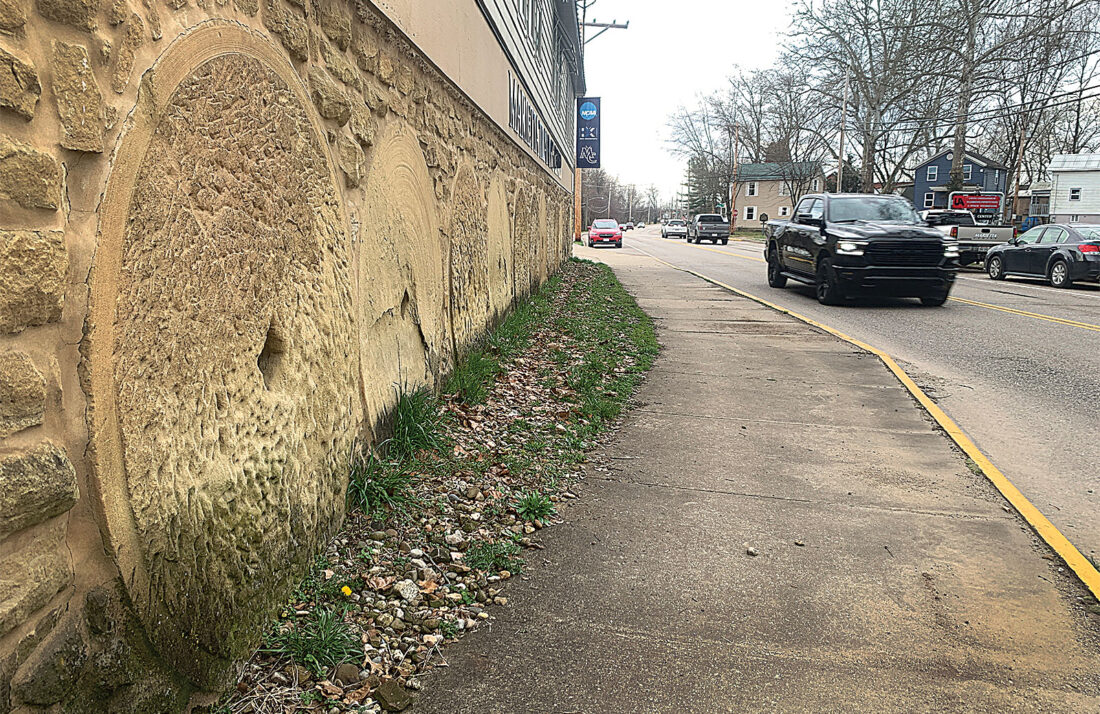
Grindstones were used in the walls of the Marietta College boathouse on Gilman Avenue. Photo by Art Smith
The wheels came in assorted sizes, with some of them simply being huge. Once removed from the hillside, the stones could be sawed into as many as 12 grindstones. The sizes varied depending on what the customer needed. The smallest were around 2 feet in diameter and 2 inches thick and the largest were 7 feet in diameter, 14 inches thick and weighed over 3 tons.
The finished wheels were loaded onto rail cars for shipment. Early in the industry, some were loaded onto flatboats destined for growing industrial centers like Cincinnati. Thousands of the stones were cut from area hills.
They were used to sharpen tools and to polish things such as large castings for railroad locomotives before they were painted. The paper industry used them to grind wood into pulp.
Over time, the need for the large natural stones dropped. In the mid-1960s, the last of the companies vanished.
Because their products were huge, made of stone and weighed tons, you can still find the stones around the area.
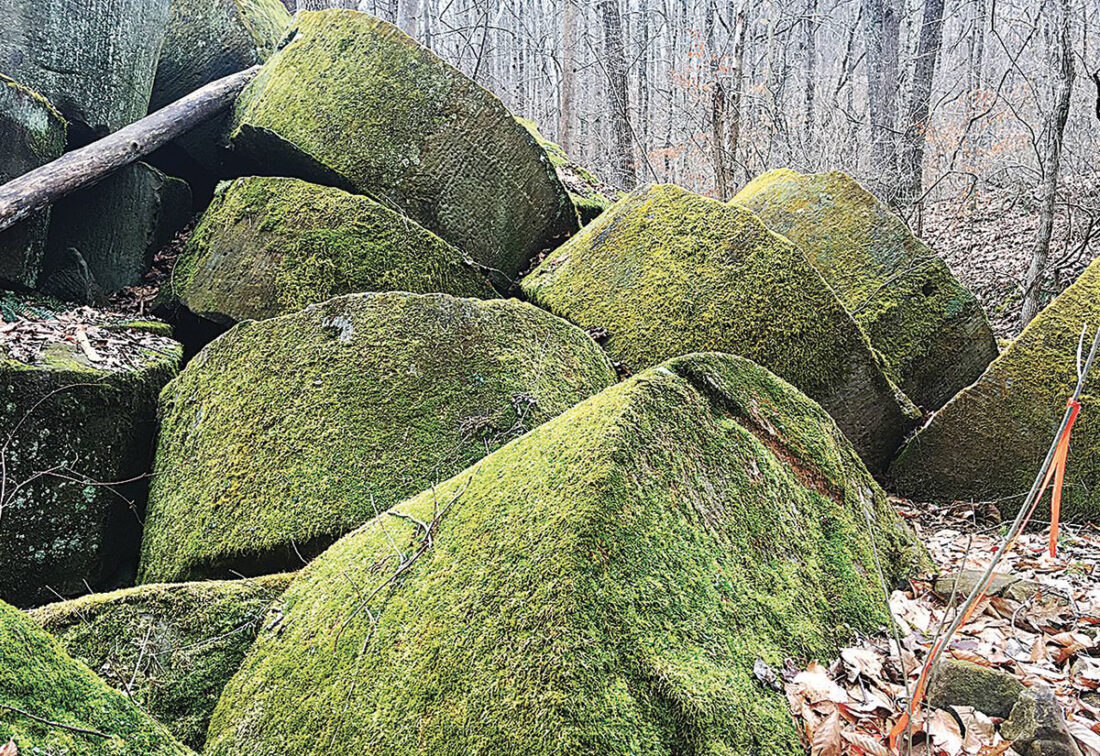
A pile of grindstones at an old quarry behind the Washington County Career Center. Photo by Art Smith
Most of the quarries were along present-day Ohio 7, if you are traveling from Marietta to Belpre, there are some that are easy to spot. Just past Veto Road and the catfish pond, look to your right. There is a wetland area and in the middle of the pond is a stack of stones that have likely not moved for a century. Further down the road, near an asphalt plant, you will see a stack next to the train tracks.
In 1913, the Marietta College boathouse was swept away by a massive flood. When rowing returned to the Muskingum River decades later, a boathouse was built with walls made from giant grindstones. It has been flooded many times, but the fortress-type wall has always survived the water.
To see what a quarry looked like, take a drive out to the Washington County Career Center on Ohio 676. Go to the back left corner of the property to start a short hike to an abandoned quarry. Piles of unfinished stones line a small pond allowing a firsthand view of the rocks removed from the earth to become tools that helped build an industrial country.
Across the region, dozens of them were re-purposed as lawn art in yards and along driveways as large address markers. In some cases the giant stones have been used to hold hillsides in place, including under the Interstate-77 bridge in Marietta. Dozens of them hold the ground in place under the northern end of the span.
Many have ended up in area parks. A small park near the Historic Harmar Village Bridge has one, as does West Muskingum Park. The Parkersburg and Wood County Library has re-purposed stone as a fountain.
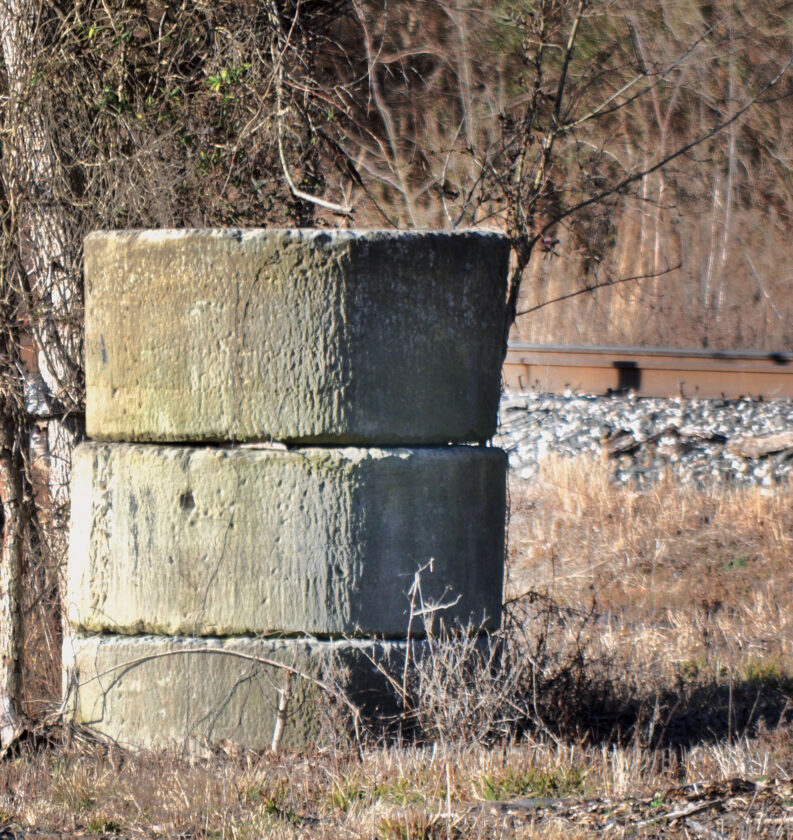
A pile of three stones along Ohio 7 near Belpre. Photo by Art Smith
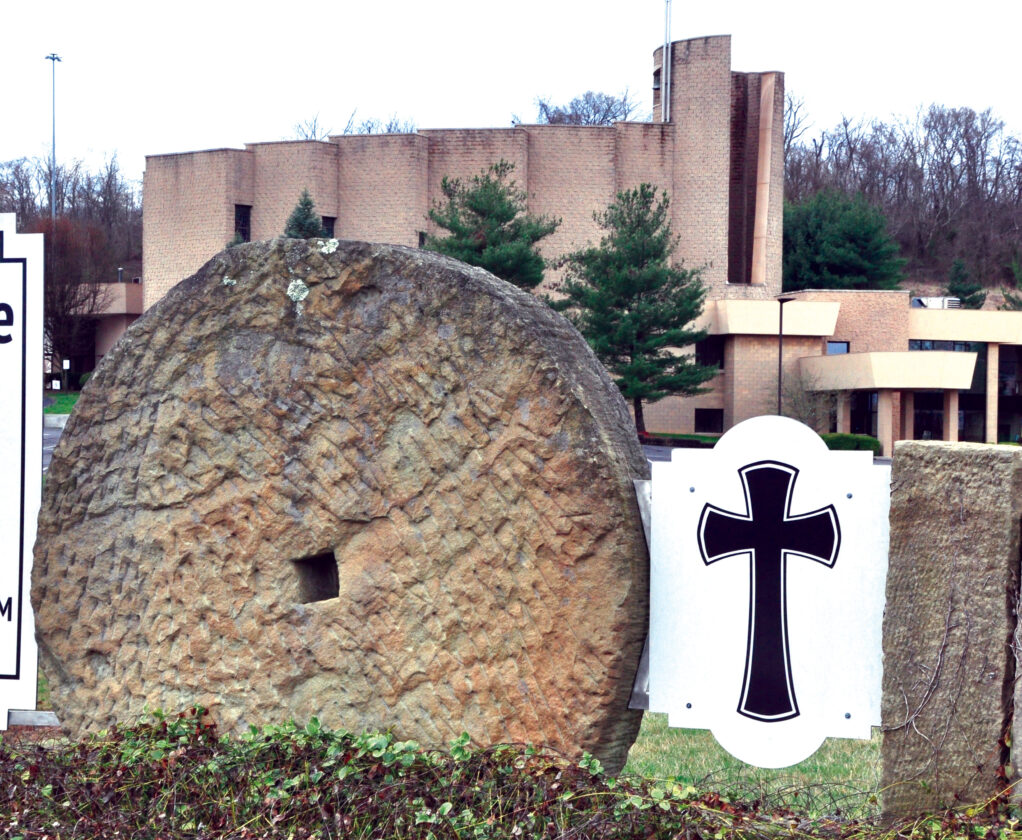
A grindstone that is part of the sign for St. Ambrose Catholic Church in Belpre. Photo by Art Smith
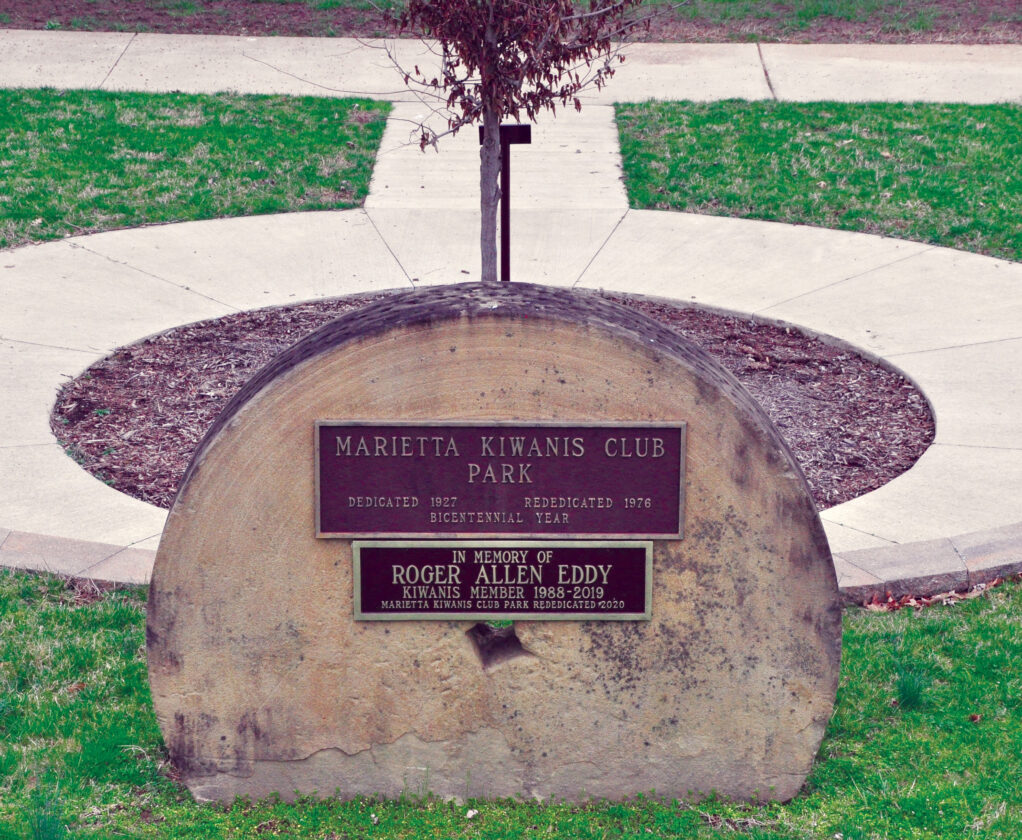
A grindstone that is part of a park on the west side of the Muskingum River. Photo by Art Smith
Local News

School addition proposals: Community discusses future of Harmar Elementary

Commissioners select winner for Wood County “I Voted!” Sticker Contest

Teamwork makes the dream work: Parkersburg Catholic’s Sophie Lott works with others through sports, volunteer work and more
Snow falls on remaining ice across Mid-Ohio Valley
O’Neill Center releases weekly activity schedule
The O’Neill Center activity schedule for the week of Feb. 9-13: Monday, Feb. 9 - 10 a.m. – Chair ...
Info roundup: Candidates and issues appearing on primary election ballots
PARKERSBURG – All of the candidates have filed to run for the May primary which will be on Tuesday, May 5 in Ohio ...