
Chances low for seeing a white Christmas in the Mid-Ohio Valley
PARKERSBURG — Chances are better to see a “White Christmas” on television rather than on Wednesday morning in the Mid-Ohio Valley, according to the National Weather Service in Charleston.
In the lower elevations, snow flurries are possible in the morning, but unlikely, forecaster Chris Dickman said. Snow will probably be in the mountains, he said.
“We’re not really expecting anything about snow,” he said. “It’s going to be a rain event, except for most of the mountains.”
Temperatures in the region will be into the 50s, Dickman said. The warm up from the bitter cold of the 20s this weekend started on Monday and will go through the week, he said.
The temperature will be in the low to mid 40s, possibly 50 by Christmas afternoon, Dickman said.
The National Weather Service defines a White Christmas as at least an inch of snow on the ground at 7 a.m. local time on Christmas morning.
Temperatures were in the low 20s for the annual solstice watch and celebration Saturday in Marietta. Temperatures are forecast into the 50s by the end of the week.
The weather service has Christmas Day data at weather.gov/rlx.
The chance of a White Christmas in the Parkersburg region is 16%, the weather service said. At Elkins, which is in the higher elevations of the state, the chance is 35%.
Other data includes:
Warmest high, 70 in 1982
Coldest high, 4 in 1983
Coldest low, 7 below in 1983
Warmest low, 58 in 1982
Most snowfall on Christmas, 2.5 inches in 1935
Greatest snow depth on Christmas, 5 inches in 1963.
The first day of winter was on Saturday, the winter solstice, or the longest day of the year, when the season changed.
The Mid-Ohio Valley Health Department last week issued an advisory about the signs and symptoms of Seasonal Affective Disorder when people can undergo significant mood change with the change in seasons, a kind of depression.
Symptoms include feelings of sadness, hopelessness, guilt or helplessness, loss of interest or pleasure in once pleasurable activities, fatigue, thoughts of death or suicide, oversleeping or difficulty sleeping, lack loss of appetite or overeating and irritability. More information is available at samhasa.gov/mental-health/seasonal-affective-disorder.
Local News

Trump says Pam Bondi, a loyalist who oversaw Justice Department upheaval, is out as attorney general
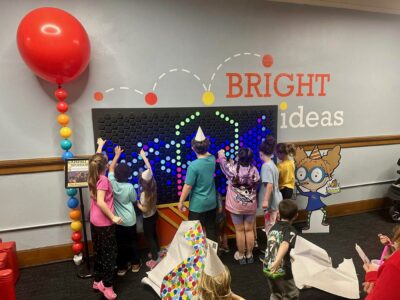
Rotating exhibit space aims to accelerate learning at Discovery World
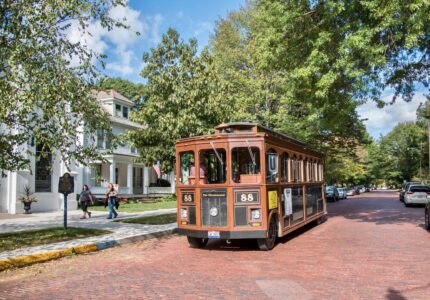
Marietta Trolley returns May 2 for 2026 tour season

Mid-Ohio Valley Career Connect Job Fair set for April 8

Backers urge Ohio lawmakers to require absentee voters to mail in copy of ID
Parkersburg mayor offers way for petitioners to remove signatures
PARKERSBURG — As a committee seeking to repeal or place on the ballot an ordinance authorizing a trash service ...