
Water plant takes shape: City expands well monitoring
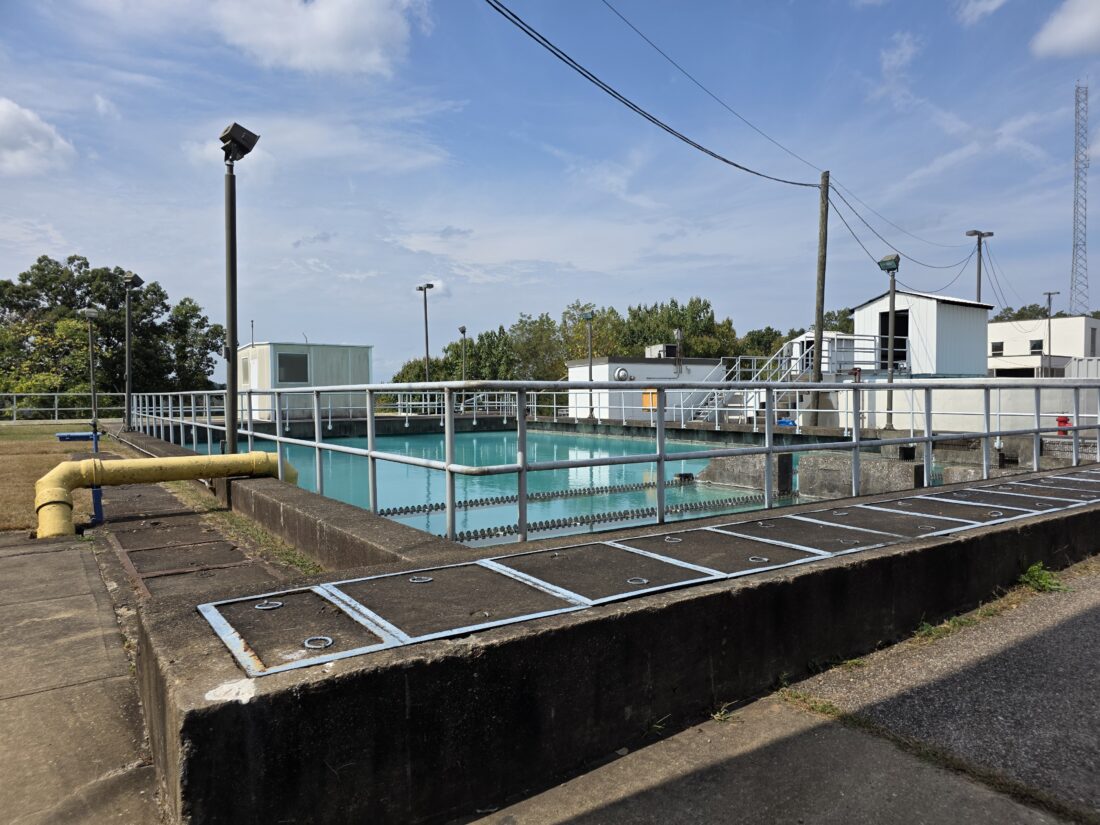
The primary settling basin at the current Marietta Water Plant helps filter and clarify water for public use. (Photo by Gwen Sour)
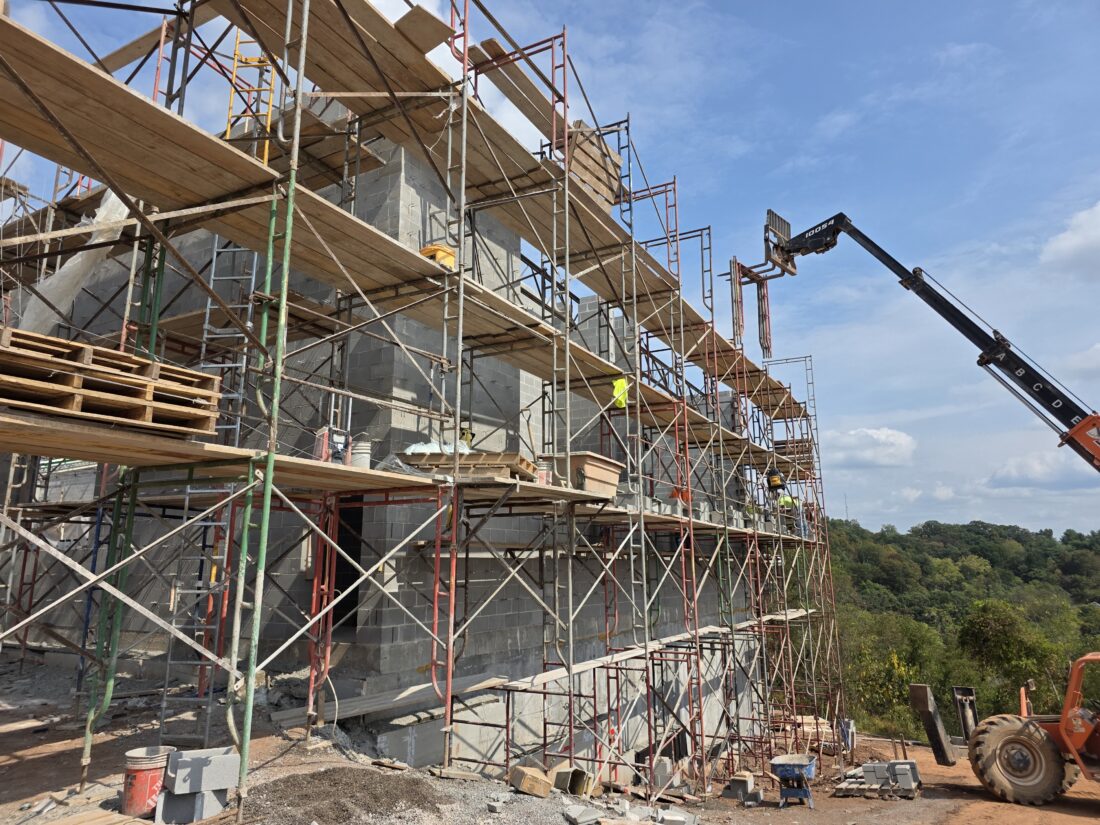
Construction on the new water plant in Marietta continues with the goal of completion by 2027. (Photo by Gwen Sour)
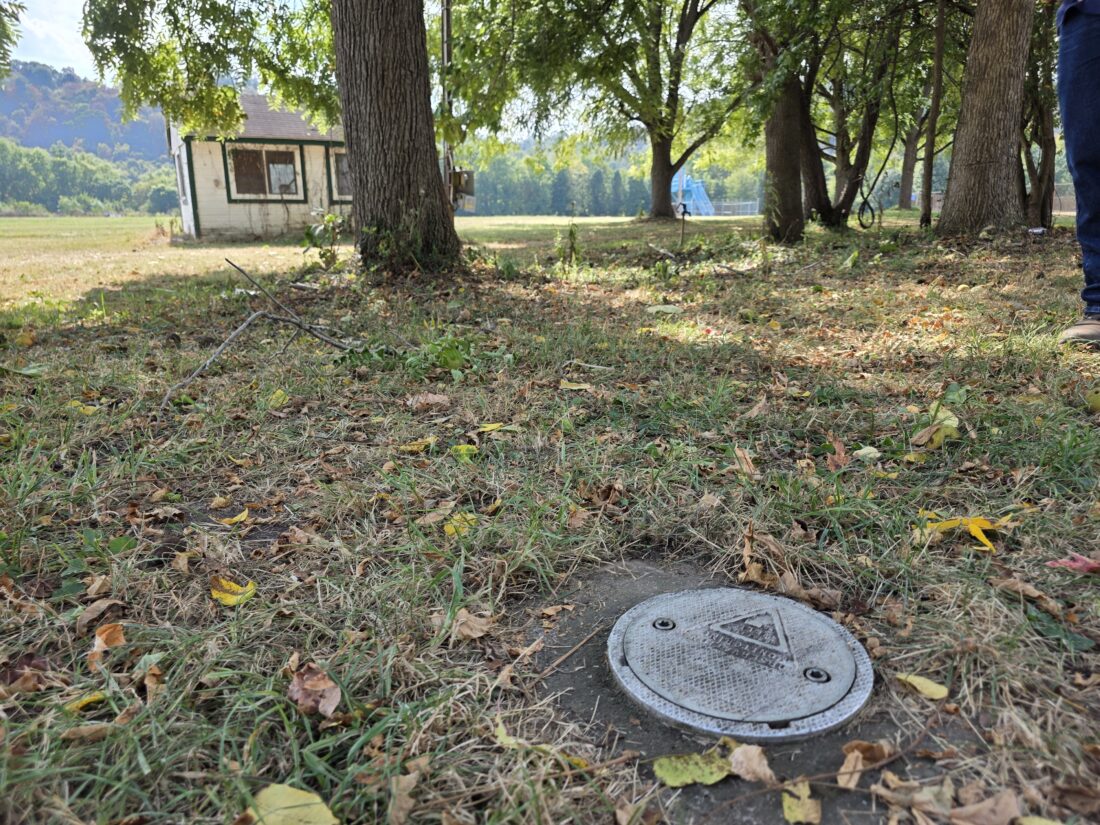
Twenty monitoring wells currently line the region of Marietta’s aquifer to warn of potential contaminants. Newer monitoring wells feature a small manhole-cover style design with concrete surrounding it, while older monitoring wells feature small metal pipes, which stick out of the ground. (Photo by Gwen Sour)
The primary settling basin at the current Marietta Water Plant helps filter and clarify water for public use. (Photo by Gwen Sour)
Construction on the new water plant in Marietta continues with the goal of completion by 2027. (Photo by Gwen Sour)
Twenty monitoring wells currently line the region of Marietta’s aquifer to warn of potential contaminants. Newer monitoring wells feature a small manhole-cover style design with concrete surrounding it, while older monitoring wells feature small metal pipes, which stick out of the ground. (Photo by Gwen Sour)
Trending
Marietta is undertaking major water system improvements designed to remove contaminants, replace aging infrastructure and safeguard the city's aquifer, according to Water Superintendent Steve Eddy.
At the center of the effort is a new water treatment plant under construction on the site of the former Plant 2, which was demolished in 2023.
The multi-million dollar facility will feature reverse osmosis technology, which is capable of filtering out PFAS, volatile organic compounds and other contaminants. The plant is expected to be producing water by September 2026 and should be fully completed by late 2027.
According to the National Institute of Environmental Health Sciences (NIH) "Per- and polyfluoroalkyl substances (PFAS) are a large, complex group of synthetic chemicals that have been used in consumer products around the world since about the 1950s. PFAS molecules have a chain of linked carbon and fluorine atoms. Because the carbon-fluorine bond is one of the strongest, these chemicals do not degrade easily in the environment."
The water treated with the reverse osmosis technology will then be blended with untreated water to restore minerals and hardness, followed by chemical treatments including phosphate, chlorine and fluoride.
"By the time we get everything in place, I'm expecting almost 100% removal," said Eddy.
Alongside the plant upgrades, the city is planning expansions to its monitoring well network. The city operates seven water wells and nearly 20 monitoring wells near the Muskingum River, with nine tested annually under Ohio EPA schedules. An additional three monitoring wells are planned for near the river, near the Washington County Fairgrounds, with the potential for an additional monitoring well on the West side of Marietta.
Eddy said new shield wells will be added on both sides of the river to catch contamination migrating from nearby industrial activity or injection wells. The aquifer supplies not only Marietta but also neighboring communities, meaning contamination could affect more than 30,000 people.
"We roughly figured it would be 32,000 people in the valley that would be affected," Eddy said.
The city is also pursuing a $220 million capital improvement plan to replace more than 26 miles of water mains over the coming decades. That work, along with plant construction, is likely to raise customer bills, but Eddy said the investment will pay off.
"Hopefully it'll help people understand when their bills are raised that they are getting a far better product than what they currently have -- safer, anyway," he said.