Opponents fail to get enough signatures for referendum to block Ohio’s new weed law, hemp ban
-

- (Ohio Capital Journal Photo) THC-infused beverages for sale at Savor Growl in Columbus, Ohio on Oct. 13, 2025.
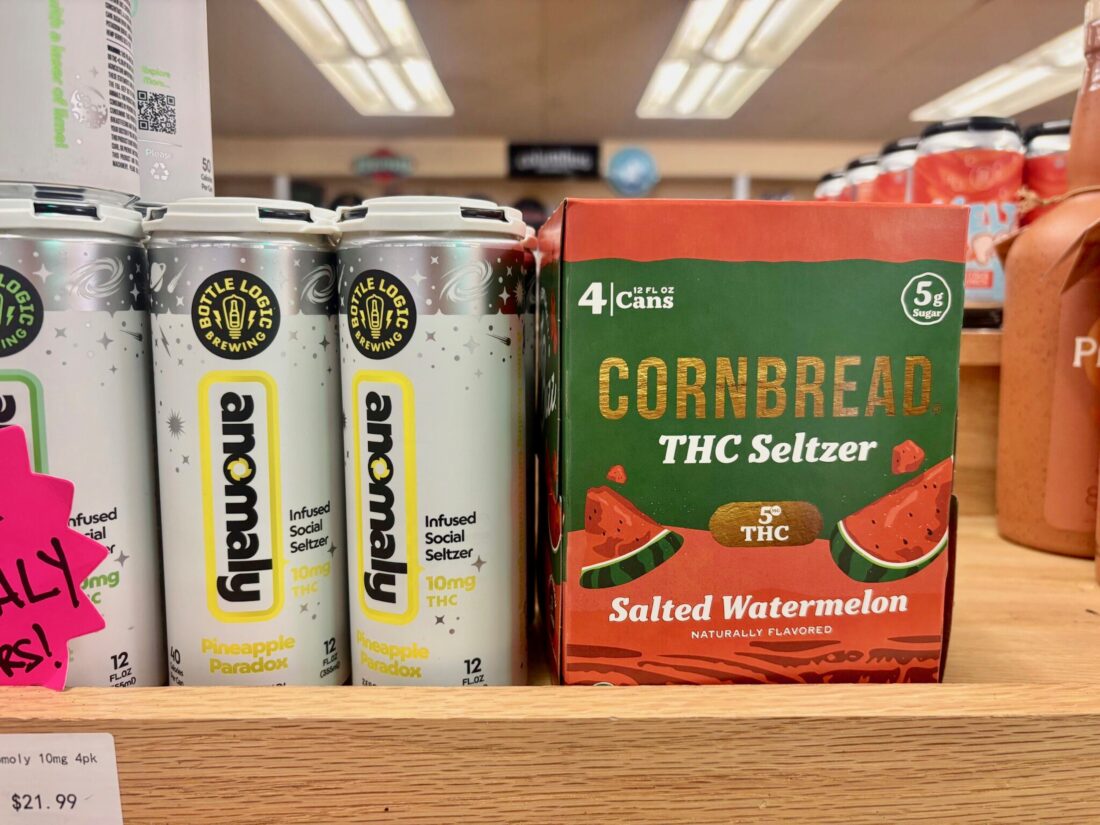
(Ohio Capital Journal Photo) THC-infused beverages for sale at Savor Growl in Columbus, Ohio on Oct. 13, 2025.
By Megan Henry
Special to The Times
Opponents of Ohio Republican lawmakers’ attempt to ban intoxicating hemp products and change the state’s voter-passed recreational marijuana law failed to collect enough signatures to put a referendum on the ballot this year to block it.
Ohioans for Cannabis Choice would not say how many signatures they gathered. They needed to collect 248,092 signatures and also needed to gather 3% of an individual county’s gubernatorial turnout in 44 of Ohio’s 88 counties to get on the Nov. 3 ballot.
“Unfortunately, we were not able to overcome a truncated time period to give voters the chance to say no to government overreach,” Dennis Willard, spokesperson for Ohioans for Cannabis Choice said in a statement.
Ohio Attorney General Dave Yost initially rejected the referendum’s summary language in January, but approved it in early February after Ohioans for Cannabis Choice made changes to the language.
The plan was to submit the collected signatures to Ohio Secretary of State Frank LaRose on Thursday for him to verify the signatures. This was the deadline to submit signatures since Ohio Senate Bill 56 takes effect Friday and it will ban intoxicating hemp products — including THC-infused beverages.
Ohio Gov. Mike DeWine signed the bill into law in December after he had been urging the lawmakers to do something about intoxicating hemp products for the past nearly two years.
On the federal level, Congress voted in November to ban products that contain 0.4 milligrams of total THC per container when they voted to reopen the government. Previously, the 2018 Farm Bill said hemp can be grown legally if it contains less than 0.3% THC.
There is a one-year implementation delay for the federal hemp ban, but states can create their own regulatory framework before then.
Ohio’s new law will change the state’s marijuana law by reducing the THC levels in adult-use marijuana extracts from a maximum of 90% down to a maximum of 70%, cap THC levels in adult-use flower to 35%, and prohibit smoking in most public places.
It will prohibit possessing marijuana in anything outside of its original packaging and criminalizes bringing legal marijuana from another state back to Ohio. The legislation also requires drivers to store marijuana in the trunk of their car while driving.
“Marijuana will be re-criminalized in Ohio, businesses will close, workers will lose their jobs, and consumers will be denied their right to products they should be able to purchase,” Willard said in a statement.
Ohioans voted to legalize marijuana in 2023, recreational sales started in August 2024, and sales totaled more than $836 million in 2025.
“Voters overwhelmingly supported legalizing cannabis in 2023,” Willard said in a statement. “It only makes sense that Gov. DeWine and state lawmakers should go back and ask those voters if they want to ban hemp and re-criminalize marijuana. We know, and our elected leaders know, the answer would be a resounding no.”
The Ohio Cannabis Coalition and the Coalition to Regulate Marijuana Like Alcohol — the group behind Issue 2 on the 2023 ballot — opposed the attempted referendum.
Ohio House Speaker Matt Huffman, R-Lima, said he was not surprised the referendum failed to get enough signatures.
“This would have had two sectors of the same community essentially, as we say, the hemp guys and the marijuana guys fighting against each other,” he told reporters Wednesday. “I don’t think it was viable from a financial standpoint for them to referendum that bill.”
Referendums are rare and the last one that passed in Ohio was when voters overturned an anti-collective bargaining law in 2011.
Follow Ohio Capital Journal Reporter Megan Henry on X or on Bluesky.
Original story can be found at https://ohiocapitaljournal.com
Local News

Great Ohio Climate March registration open until April 15

Grand Central Mall announces multi-million dollar renovation plans, entertainment center

Groundbreaking event held for new Vienna Elementary

Wood County coroner delivers report on local deaths in 2025

Nearly spring