
National attention turns to Washington County injection well debate
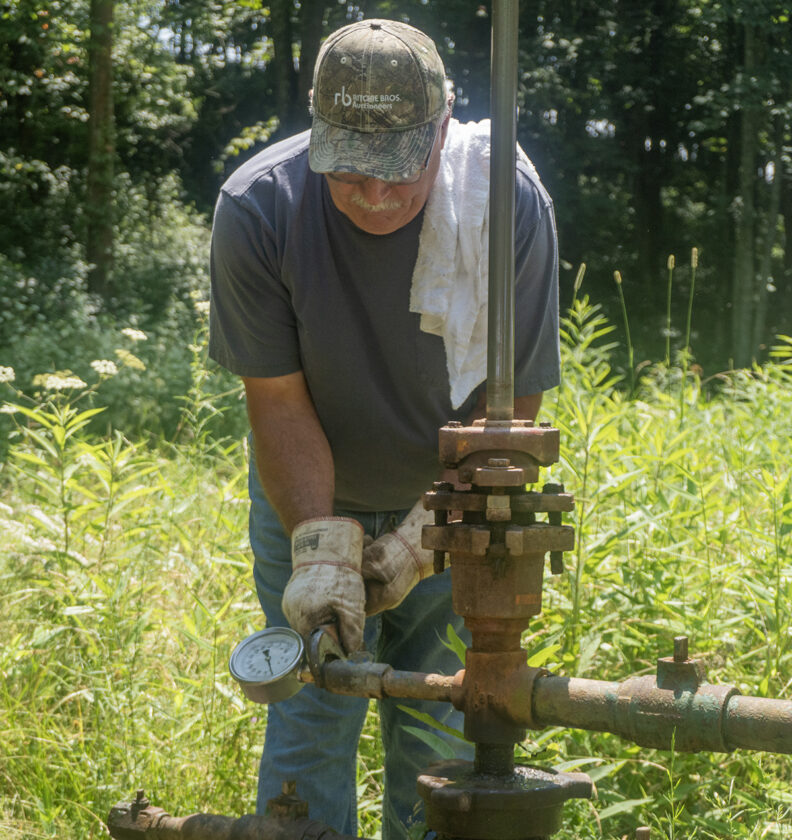
Bob Wilson checks the pressure on his well, the Curry #3 to show the pressure sitting outside the recommended range in July. (File photo.)
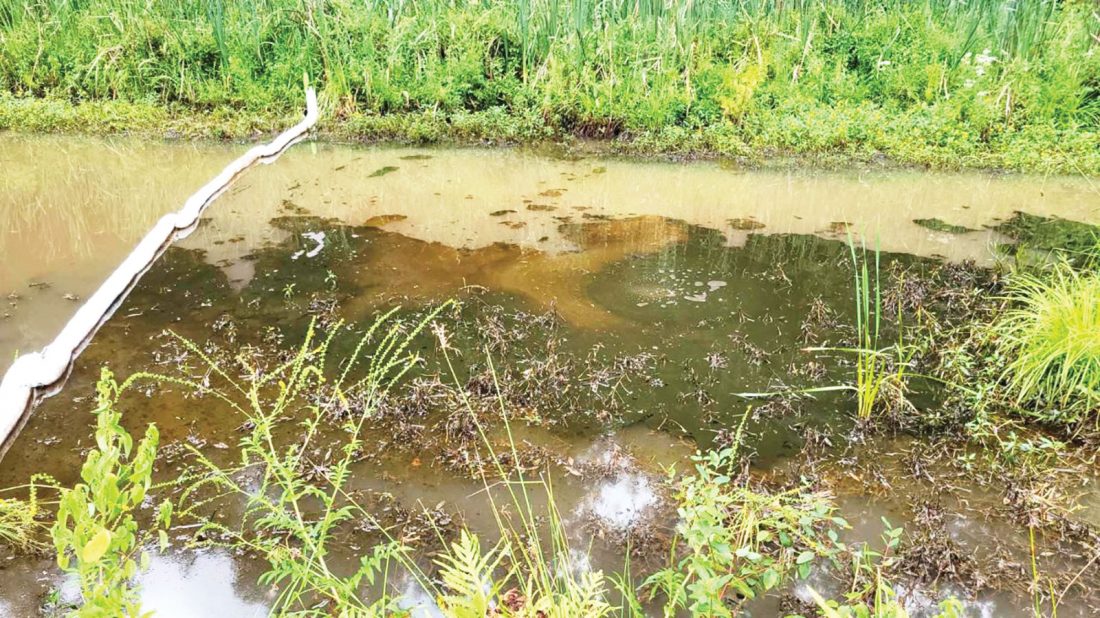
Crude oil floats on Veto Lake in 2021. (File photo)
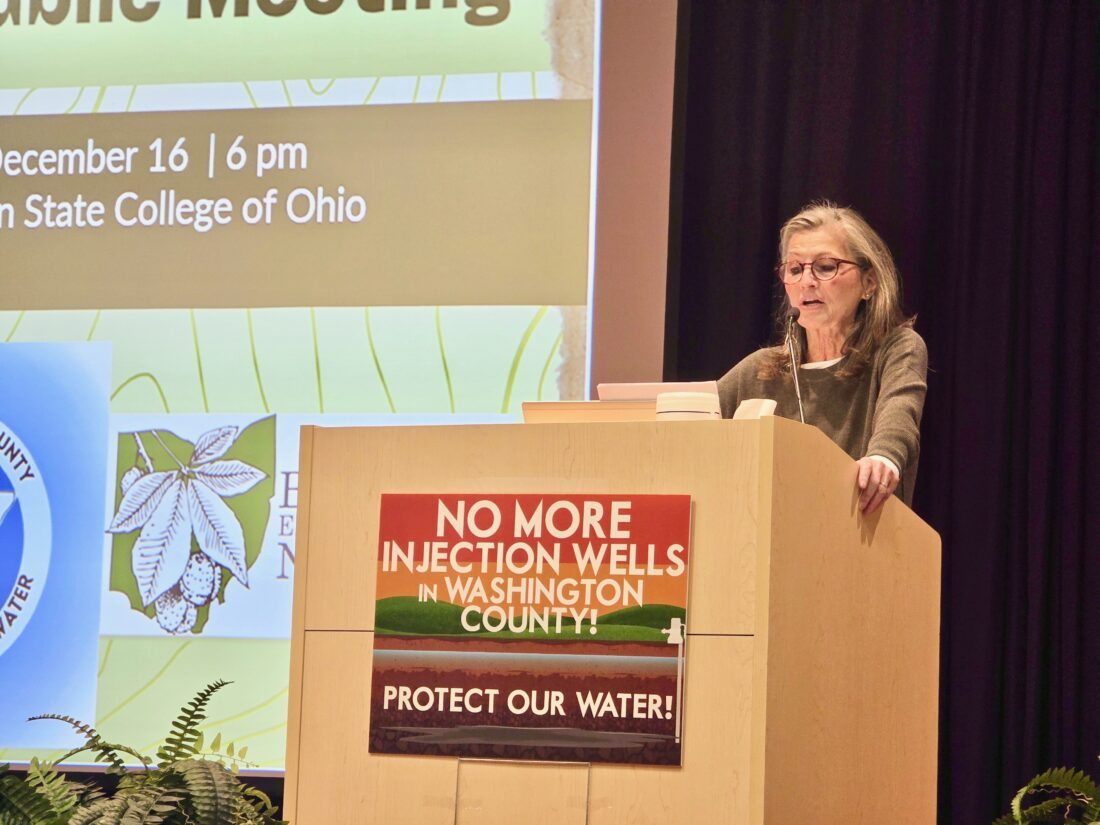
Dee Wells Arnold welcomes the crowd to the Injection Well Public Meeting at Washington State College of Ohio in December of 2025. Speakers included representatives from Washington County for Safe Drinking Water sharing their concerns regarding injection wells. The evening also featured an overview of Buckeye Environmental Network’s legal challenge against ODNR. (Photo by Gwen Sour)
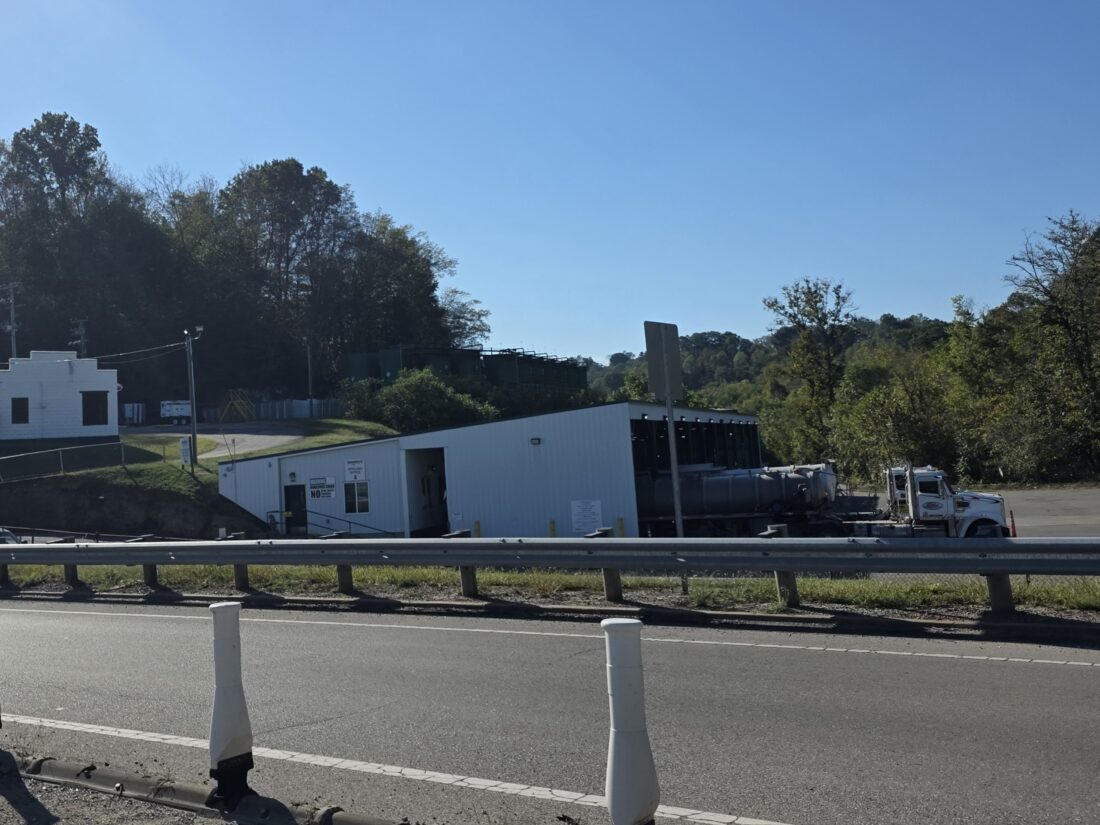
One of the DeepRock Disposal Solution injection well sites sits just outside of Marietta on Ohio 7. (File photo)
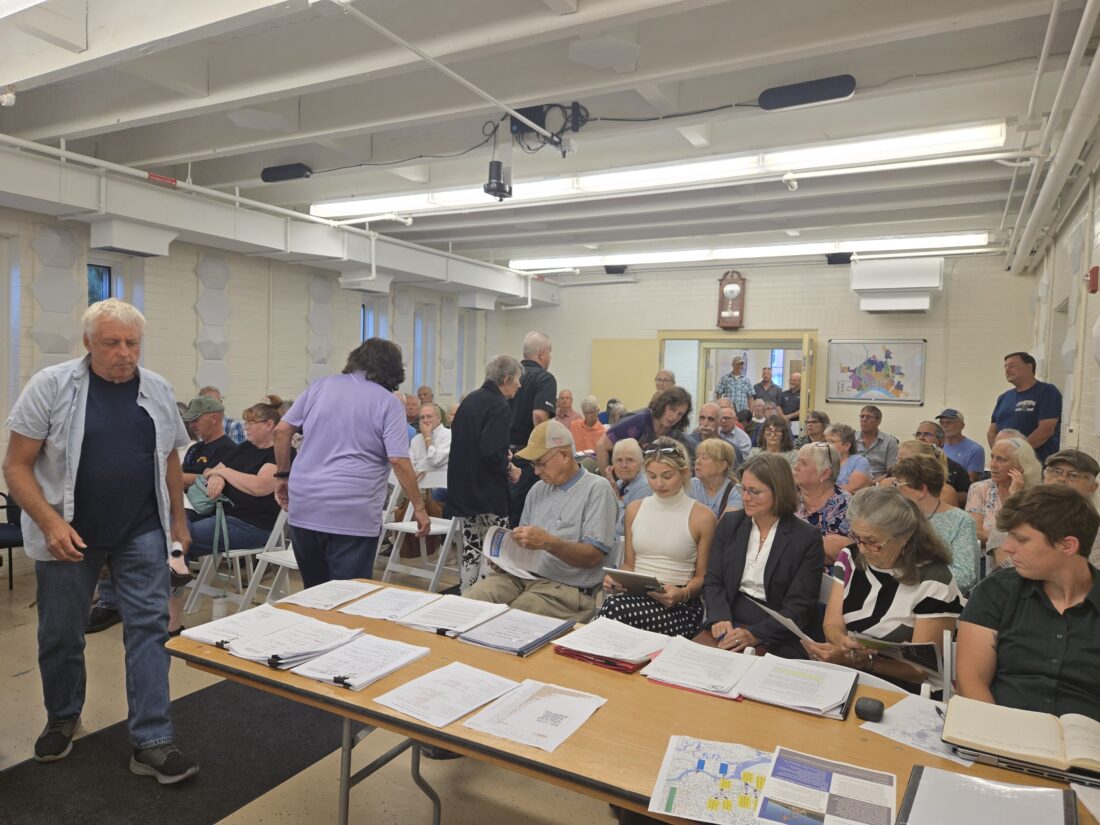
The Marietta City Council meeting regarding injection wells overflowed with attendees in July of 2025. (File photo)

Buckeye Environmental Network Environmental Organizer Bev Reed shows the location of injection wells across Washington County during a meeting at the Warren Community Water and Sewer Association in May of 2025. (Photo by Gwen Sour)
Bob Wilson checks the pressure on his well, the Curry #3 to show the pressure sitting outside the recommended range in July. (File photo.)
Crude oil floats on Veto Lake in 2021. (File photo)
Dee Wells Arnold welcomes the crowd to the Injection Well Public Meeting at Washington State College of Ohio in December of 2025. Speakers included representatives from Washington County for Safe Drinking Water sharing their concerns regarding injection wells. The evening also featured an overview of Buckeye Environmental Network’s legal challenge against ODNR. (Photo by Gwen Sour)
One of the DeepRock Disposal Solution injection well sites sits just outside of Marietta on Ohio 7. (File photo)
The Marietta City Council meeting regarding injection wells overflowed with attendees in July of 2025. (File photo)
Buckeye Environmental Network Environmental Organizer Bev Reed shows the location of injection wells across Washington County during a meeting at the Warren Community Water and Sewer Association in May of 2025. (Photo by Gwen Sour)
Trending
MARIETTA -- Injection wells have become a national flashpoint following an article in the New York Times, which references events in and around Marietta.
In Washington County, the argument is still fueled by one hard fact the state has already verified: oil and gas wastewater moved out of where it was supposed to stay and ended up in production wells.
From there, the conversation has widened into concerns about proposed disposal sites, drinking water and whether the state is watching closely enough.
Redbird migration
In 2020, the Ohio Department of Natural Resources said wastewater injected into the Redbird No. 4 Class II well near Dunham Township traveled through natural fractures to oil and gas wells. ODNR reported no groundwater contamination tied to the event and no related health impacts, and said it was unlikely the movement would reach sources used for drinking water.
After that finding, ODNR stopped issuing new Class II permits for that formation within 10 miles of Redbird while it conducted further study.
Class II wells take brine and other liquids from oil and gas work. That is separate from hydraulic fracturing, which uses water, sand and chemicals under pressure to release oil or gas. Class I wells accept industrial or municipal waste.
The two Bobs and Veto Lake
Two oil and gas well operators, Bob Wilson and Bob Lane, say the Redbird-related migration wiped out a myriad of wells and a large amount of income. Wilson, who owns Wilson Energy, said in July that about 50 of his 171 wells were putting out disposal water instead of gas. Lane said roughly 25 of his wells were effectively destroyed, costing him more than $1 million in profits. Both framed it as a property rights issue, and as a threat to families who used to heat their homes off private wells.
Old wells came back into the discussion after an incident at Veto Lake in 2021. Bubbling water was seen in Plum Run near the boat ramp, and crude oil made its way into the lake. ODNR and Ohio EPA put containment efforts in place, and the leaking well was moved into the state's Orphan Well Program. Lane said he believed the source was a well from the 1930s and worried that injection pressure could mess with older wells. State officials did not tie that release to Redbird or to injection activity.
Proposed wells draw opposition
Opposition ramped up as DeepRock Disposal Solutions pushed for a Class II disposal well called Stephan No. 1, along with a separate Class I well near Bramblewood Heights. Marietta officials said the proposed location would sit within about two miles of the city's drinking-water well field.
Buckeye Environmental Network and Washington County for Safe Drinking Water, along with other activists, held meetings and pushed for a moratorium. They pointed to flooded wells, waste brought in from outside the area and pressure readings they said kept climbing even after changes were made at Redbird. Marietta College geologist David Jeffery said rising pressure in aging production wells is abnormal and can signal that fluids are moving underground. ODNR has not publicly treated those later readings as a confirmed new development.
City and county officials respond
In October of 2025, Marietta City Council passed three pieces of legislation surrounding injection wells.
City Law Director Paul Bertram emphasized that Resolutions 80 and 79 were written as standalone items - the former to authorize him to bring legal action, including a potential mandamus suit, and the latter to establish a task force to examine injection well issues.
The task force was charged with gathering information on geology, permitting and potential impacts to the city’s drinking water aquifer.
Resolution 81, a separate measure asked the Ohio Legislature to enact a three-year moratorium on injection wells, not only in Marietta, but statewide.
Washington County Commissioners expressed differing opinions at public meetings: then-Commissioner James Booth favored the moratorium so research related to risks could take place. Commissioner Charlie Schilling argued permitting is a state function and said he trusted that process, a stance backed by Commissioner Eddie Place. Commissioner Greg Nohe, appointed to replace Booth in 2025, said he was still learning and wanted to use facts before making decisions, but that he favored getting the risk factor as close to zero as possible.
Laura Goins, an attorney for DeepRock Disposal Solutions, stated that injection wells, if built correctly and monitored carefully, are a standard method for handling disposal across the nation. Marietta Water Superintendent Steve Eddy said the city intended to do baseline sampling and install monitoring wells, and that routine testing had not found heavy metals in recent samples.
Wayne National Forest explosion
In August 2025, an explosion occurred at an orphan well in Wayne National Forest while a crew was plugging it. Six people were injured, resulting in the death of two workers. In a statement, ODNR said natural gas and crude oil reached the surface and caught fire. ODNR said the well was an orphan oil or gas well, not an injection well, and did not connect the explosion to any injection-related activities.
ODNR has acknowledged that injected wastewater left its target formation and reached producing wells. What remains unsettled is whether that kind of migration endangers drinking water and what current pressure on surrounding wells is.
ODNR did not immediately respond to a request for comment.