
Marietta considers buying oil well amid aquifer concerns
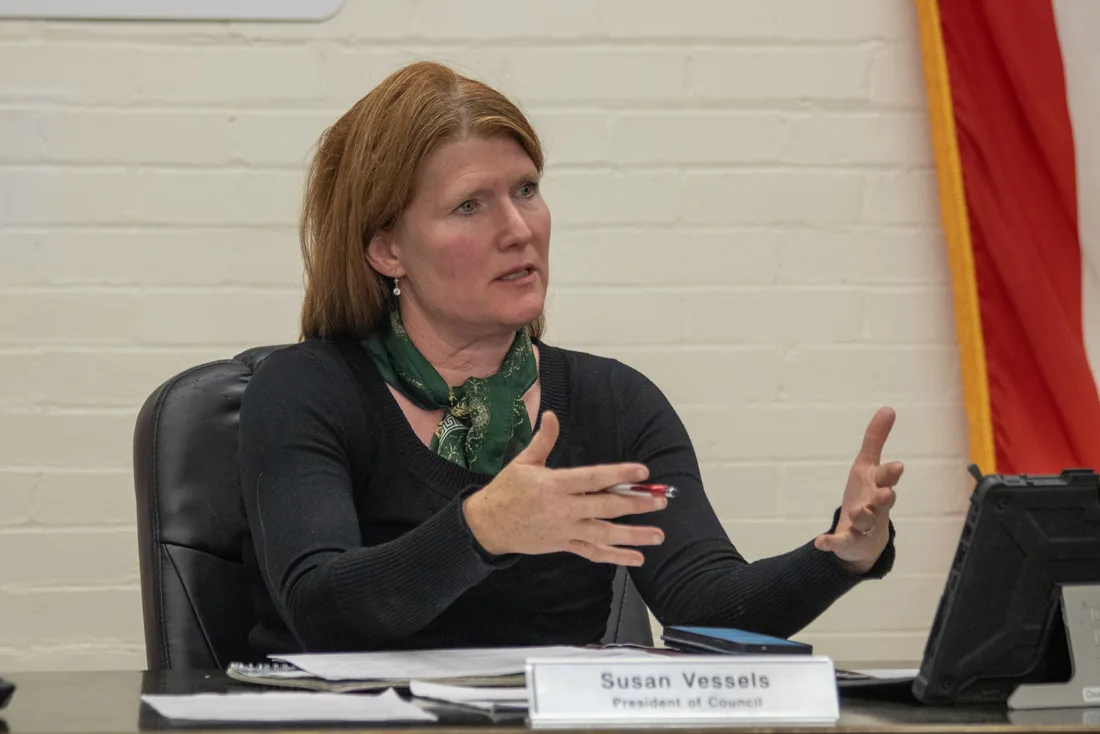
Council President Susan Vessels shares her concerns regarding an oil and gas well near Marietta's aquifer during a water committee meeting Monday night. (Photo by Gwen Sour)
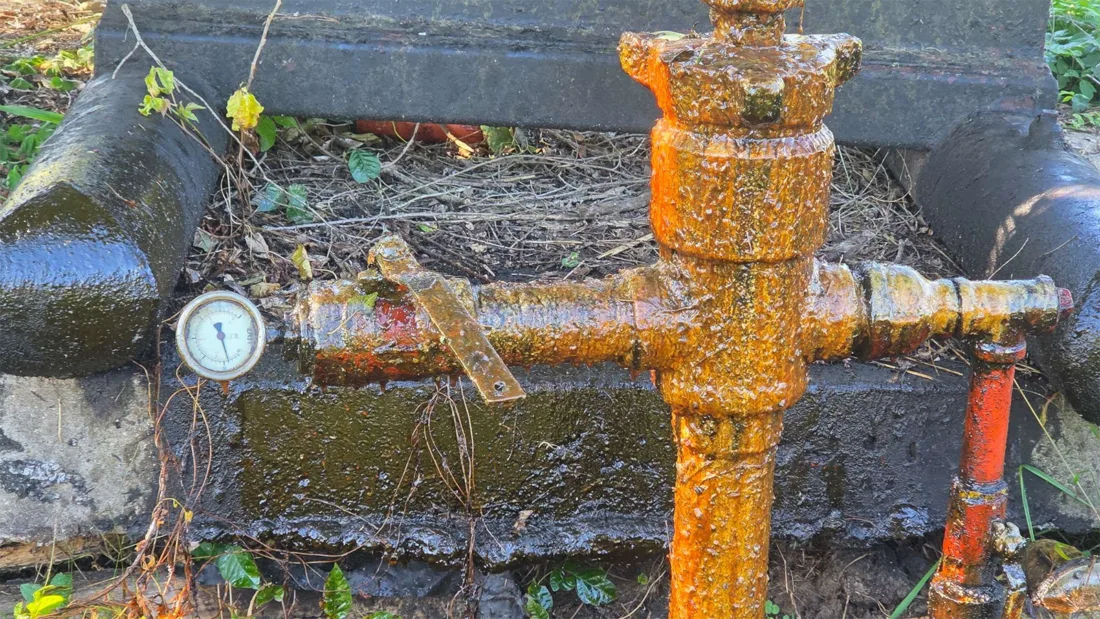
The oil and gas well Marietta City Council discussed the purchase of during Monday evening's Water committee meeting. (Photo provided)
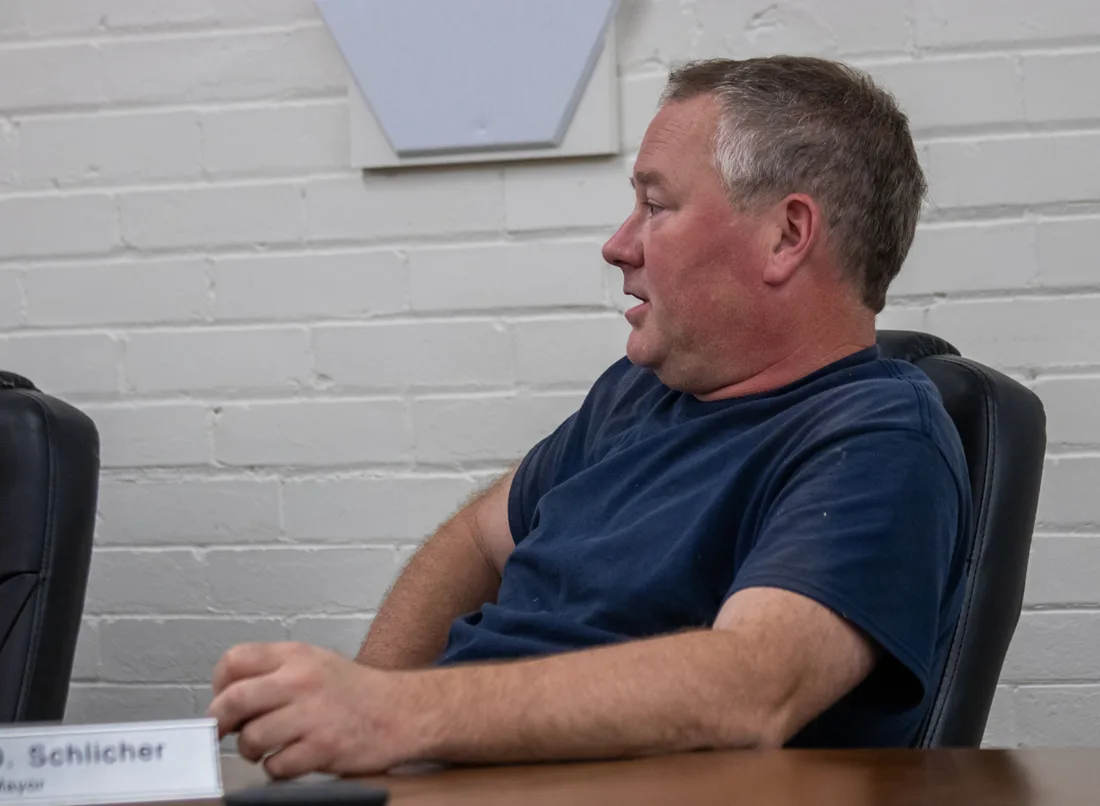
Marietta Mayor Josh Schlicher discusses visits to an oil and gas well that sits near Marietta's aquifer during Monday evening's water commitee meeting. (Photo by Gwen Sour)
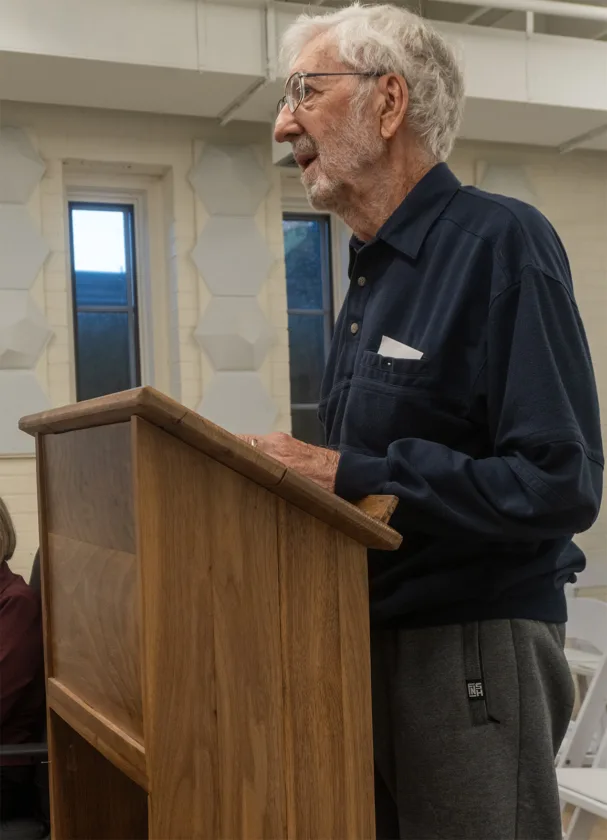
Marietta Rowing & Cycling Club member Paul Lewis discusses the civic projects the club does that utilizes the space of the Lockmaster building. (Photo by Gwen Sour)
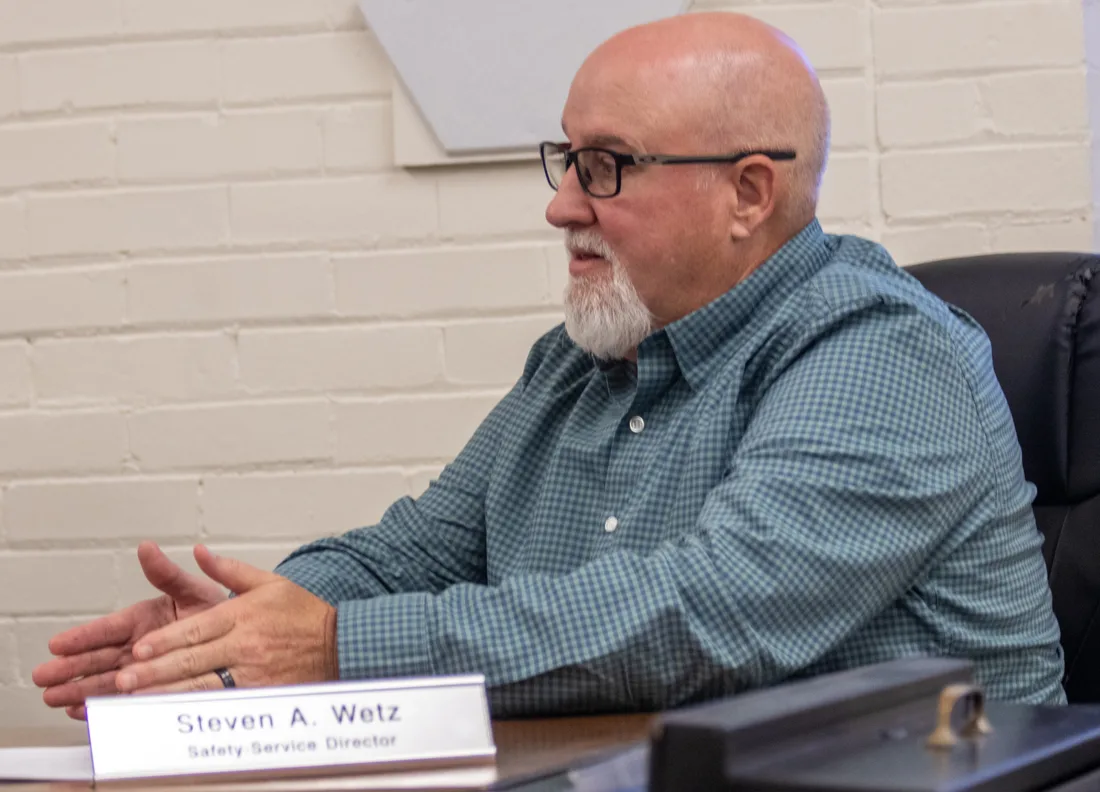
Marietta Safety Service Director Steve Wetz discusses the maintenance costs of the Marietta Family Aquatic Center during a joint Finance and Public Lands and Buildings committee meeting Monday. (Photo by Gwen Sour)
Council President Susan Vessels shares her concerns regarding an oil and gas well near Marietta's aquifer during a water committee meeting Monday night. (Photo by Gwen Sour)
The oil and gas well Marietta City Council discussed the purchase of during Monday evening's Water committee meeting. (Photo provided)
Marietta Mayor Josh Schlicher discusses visits to an oil and gas well that sits near Marietta's aquifer during Monday evening's water commitee meeting. (Photo by Gwen Sour)
Marietta Rowing & Cycling Club member Paul Lewis discusses the civic projects the club does that utilizes the space of the Lockmaster building. (Photo by Gwen Sour)
Marietta Safety Service Director Steve Wetz discusses the maintenance costs of the Marietta Family Aquatic Center during a joint Finance and Public Lands and Buildings committee meeting Monday. (Photo by Gwen Sour)
Trending
MARIETTA -- City officials are exploring buying and plugging a privately owned oil well near Marietta's drinking water supply after reports of leaking oil raised concerns about protecting the aquifer.
Monday's City Council committee discussions focused on obtaining a firm purchase offer and determining the cost of permanently closing the roughly 46-year-old well. Members also considered changes to aquatic center operations and a longer-term lease for the historic Lockmaster's House.
Council President Susan Vessels said an owner mentioned a potential $12,000 sale price; however, the figure was preliminary and would not include plugging costs. No purchase agreement was approved.
The discussion followed concerns Bev Reed of Buckeye Environmental Network sent to city officials about oil leaking at the well and questions about its pressure readings. Reed urged the city to investigate.
Vessels said an email from Reed prompted her to contact Mayor Josh Schlicher and visit the well. She said she contacted the Ohio Department of Natural Resources that evening, and agency representatives visited the following morning.
"There had been oil dripping onto the soil, not into a pan or anything, directly onto the soil from the wellhead, and soaking into the ground above the aquifer," Vessels said.
She said the owners cleaned the wellhead and removed affected soil at the direction of an ODNR representative. Schlicher also described seeing oil leaking onto the ground before the cleanup.
Vessels said photographs showed different pressure readings, but ODNR representatives explained that pressure can fluctuate during production and that a higher reading did not necessarily indicate water had entered the well.
Her remaining concern, she said, was whether aging underground piping could provide a route for contaminants to reach the aquifer.
Officials described the oil well as producing approximately 150 to 200 barrels annually. Vessels said the owners reported it had not been flooded with water.
Council discussed the potential purchase and noted the well still produces oil and generates income for its owner. They discussed how its remaining productive life could affect its value. Law Director Paul Bertram noted that a sale would also transfer responsibility for plugging the well to the city.
In a separate interview, Mike Chadsey, director of external affairs for the Ohio Oil & Gas Association, said a well's age alone does not determine how much productive life remains.
Conventional wells can produce for decades, he said, pointing to wells drilled during earlier Ohio oil booms that have continued producing for 50 years or longer. Wells commonly produce both crude oil and natural gas, although the proportions vary, he said.
Chadsey said no single pressure reading applies to all wells, citing factors such as depth, geological formation, well type, age, and whether the well primarily produces oil or gas.
Councilman Jon Grimm urged members to focus on the nearby production well as a potential problem the city could address directly. He cited the city's earlier aquifer review, which identified surface contamination as a major concern.
Grimm said council needed reliable plugging estimates and an identified funding source.
"If this is a threat to the water supply of the city, that's more than a justifiable cost within the water fund," Grimm said.
Reed also suggested officials examine ODNR's Landowner Pass-Through Payment Program as a potential funding option. According to ODNR, the program requires an eligibility review and allows qualifying landowners to arrange plugging work, with the agency paying the approved contractor.
Bertram said the next step toward a purchase would be obtaining a letter of intent outlining the owner's proposed price and terms. The city could then prepare purchase legislation and seek plugging estimates and ODNR guidance.
Members discussed using water funds or a combination of available funds but did not settle on a financing plan.
The aquatic center discussion centered on determining the city's financial obligations before making a commitment for 2027.
Members cited a roughly $120,000 loss for the most recent season, including additional expenses, with repairs accounting for about $60,000.
Grimm proposed exploring an arrangement in which the city would pay an operator a set amount to run the facility. Members discussed combining pool operations with concessions to give an operator additional revenue.
Safety-Service Director Steven Wetz said three parties, including the concession operators, had expressed interest in operating the center.
Officials planned to revise a request for qualifications seeking information about prospective operators' experience. Questions remained about responsibility for utilities, maintenance, insurance and future repairs. Members planned to revisit the proposal Oct. 26.
At the Lockmaster's House, members expressed support for pursuing a longer-term lease with the Marietta Rowing & Cycling Club after touring the building.
Club representative Paul Lewis said uncertainty about continued use made members reluctant to invest in repairs. The building supports bicycle repairs and donations, helmet giveaways and partnerships with other organizations.
Lewis said volunteers had returned about 15 donated bicycles to use and had roughly 25 more awaiting work. The club pays for replacement parts from its own funds.
Members discussed a possible 10-year lease. Lewis said the previous arrangement put interior upkeep on the club and exterior maintenance on the city.
Wetz said the city was seeking someone to repair the slate roof, which has an active leak. Members also discussed cleaning gutters and other maintenance needs.
Bertram said the city would need to review the engineering information and follow a bidding process to lease the property. No new lease was finalized.