
Washington County library levy returns to ballot
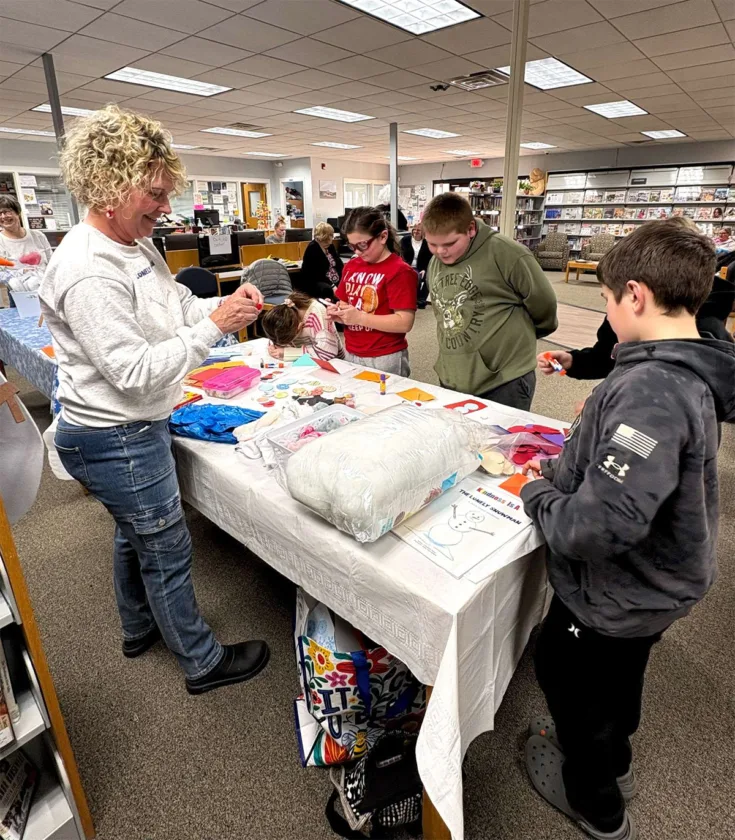
Attendees to the Beverly Branch of the Washington County Library work on a holiday craft that looks like a snowman. (Photo provided)
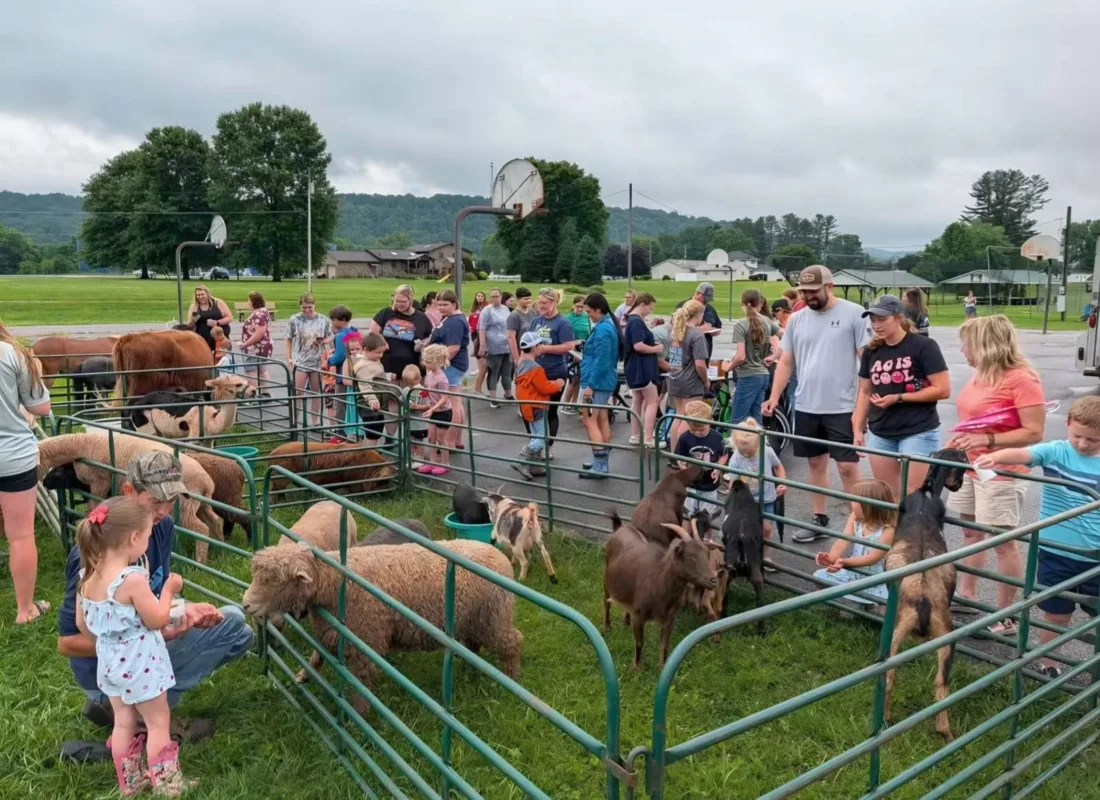
The New Matamoras branch of the Washington County Public Library holds a petting zoo as part of their programming. (Photo provided)
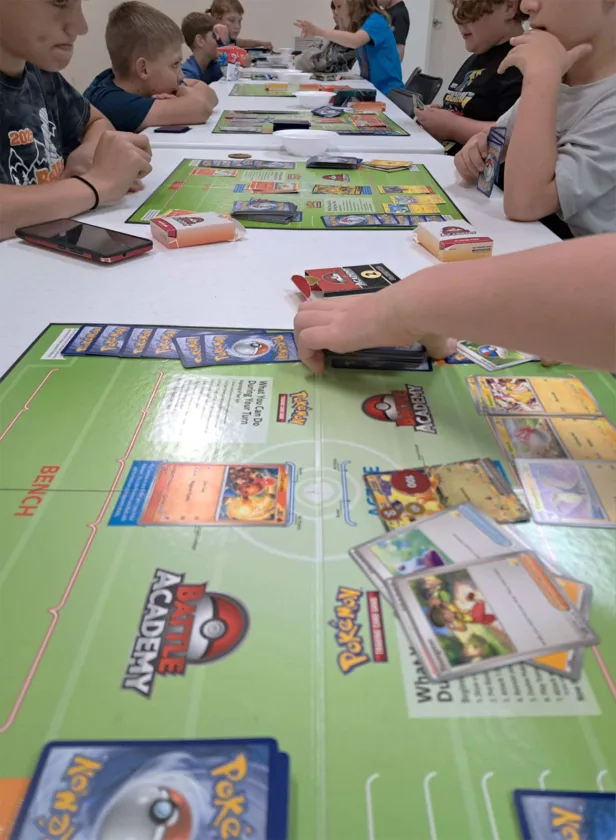
Young attendees battle out their Pokémon cards at a program at the Barlow Branch of the Washington County Public Library. (Photo provided)

The annual plant swap takes place at the Lafayette Branch of the Washington County Library in May. (Photo provided)
Attendees to the Beverly Branch of the Washington County Library work on a holiday craft that looks like a snowman. (Photo provided)
The New Matamoras branch of the Washington County Public Library holds a petting zoo as part of their programming. (Photo provided)
Young attendees battle out their Pokémon cards at a program at the Barlow Branch of the Washington County Public Library. (Photo provided)
The annual plant swap takes place at the Lafayette Branch of the Washington County Library in May. (Photo provided)
Trending
MARIETTA -- Washington County voters will decide in the November general election whether to approve a 10-year, 0.5-mill levy for the Washington County Public Library, as library officials warn that another defeat could lead to branch closures and reductions in hours, programs and materials.
The request follows a November 2025 renewal levy whose votes were not officially counted because of missing information. Voters rejected a subsequent proposal May 5 by 328 votes.
Library Director Justin Mayo said that history has created confusion among residents who believe the library already secured funding through last fall's election.
"It’s not more money. It’s to restore the money we had last year," Mayo said.
Mayo said the November proposal appears as an additional tax on the ballot, while supporters describe its purpose as restoring lost operating revenue. The request is for half a mill over 10 years, compared with the previous one-mill, five-year renewal proposal, he said.
Missing information prevented the November 2025 library renewal levy from officially qualifying for the ballot, according to coverage of that election. The problem was discovered too late to remove the issue from the printed ballot, and votes cast on it were not officially counted.
Washington County Board of Elections Director Mandy Amos said at the time that the information would be corrected so the renewal could appear on the May ballot.
The May proposal drew 5,530 votes against and 5,202 in favor, according to election results reported in a May 14 article. That proposal would have generated an estimated $1,140,880 annually, with a cost of $18 per year for each $100,000 of the county auditor's market value. It called for a 10-year levy beginning in tax year 2026, with the first payment due in 2027.
Mayo said in the May article that lower turnout compared with the previous fall could have contributed to the defeat.
In a recent interview, Mayo said he learned of the November paperwork problem two days before that election, after believing the process had proceeded normally.
"If they would have done that, like in August, I would have had time to fix the problem, but I didn’t know there was a problem," he said.
Brandee Norris, a library board member who is part of the political action committee supporting the levy, said she believes confusion about the earlier vote contributed to the May defeat.
Norris said supporters are describing the proposal as a "restorative levy" because its purpose is to recover funding the library lost. She said the library has been relying on savings to continue operating.
"If it doesn’t pass in November, we will be running out of savings, and we’re going to have significant cuts," Norris said.
Mayo said those decisions could affect locations, programming and purchases of books and other materials.
"If it doesn’t pass, we’ll have to look at closing locations and reducing our programming and material budgets," he said.
He said attendance at library programs has grown substantially over the past five years, particularly at summer children's events throughout the county. Demand for e-books also has increased, requiring the library to purchase electronic editions in addition to physical copies.
Passage would help maintain those services and allow the library to hire a bookmobile driver, Mayo said. Staff members have been filling in, and he hopes to restore the bookmobile's regular routes.
Funding also would support completion and operation of the library's new facility at the former river museum, he said. Without the levy, Mayo said he is uncertain how the library could cover the added expense.
The loss of levy revenue comes alongside declining state support and increasing operating costs, according to Mayo. He said state funding fell about 5% last year and is down closer to 3% this year.
Mayo said staffing across the system has declined from 69 employees in 2015 to about 47, leaving little room for additional personnel reductions.
Further cuts would have to involve buildings and materials, he said, as utility and other facility expenses continue to rise.
Mayo said some reserves are intended for completing the river museum project, while the library also aims to maintain enough savings to cover four to six months of operations. Using those reserves for ongoing expenses would only postpone difficult decisions, he said.
"I can’t run into deficit every year," Mayo said.
Early in-person voting for Ohio's Nov. 3 general election began Oct. 6 and continues through Nov. 1. Locations and the complete schedule are available at VoteOhio.gov.