Back to 2/7/81
Witnesses described a broken window, a footprint and an attempt to secure a crime scene as two emergency first responders and a former Washington County Sheriff’s Office deputy took the stand Wednesday during the first day of testimony in the murder trial of Mitchell Ruble.
Opening statements and the first three of what is expected to be about 54 witness testimonies began Wednesday in the courtroom of Washington County Common Pleas Judge Randall Burnworth.
Mitchell Ruble, 64, of 4000 State Route 530, sat alongside defense attorneys Lawrence Whitney and James Burdon and listened to the three witnesses called by the state of Ohio by Ohio Attorney General prosecutors Joel King and Daniel Breyer.
Ruble is accused of murdering Washington County Lt. Ray “Joe” Clark at his Dodd Run Road home on Feb. 7, 1981 by shooting Clark through his kitchen window. He was arrested for the crime in September 2014.
Reports indicated that Clark was killed by a shotgun blast that penetrated his kitchen window before making contact with his head.
Clark was found by his wife, Pat, who was initially under the impression that Clark had suffered from some sort of health episode or had been shocked and had fallen.
“The evidence will prove that the killer lurking in the darkness nearly 35 years ago was the defendant, Mitchell Ruble,” Breyer said during opening statements.
The state, in its opening statement, painted a picture of Ruble, a former Washington County Sheriff’s sergeant who was terminated in 1979, as holding a grudge against Clark for playing a role in his termination for “incidents of violence and intimidation.”
“Ruble was upset,” Breyer said. “He blamed Clark and voiced his deep-seeded anger to several people over the next 14 months.”
The defense claimed in opening statements that the witness who helped lead to Ruble’s arrest had repeatedly denied his and Ruble’s involvement in the murder for decades before changing his story once he was offered protection and kept in long interviews with law enforcement.
According to the state’s opening statement, Robert Smithberger, a former Washington County deputy, allegedly told law enforcement after years of questioning that he had provided Ruble with a shotgun that night, that Ruble had been drinking and had made statements about “killing a lieutenant” before he drove and left Ruble near the scene for an extended period of time, among other claims.
Ruble’s attorney said jurors shouldn’t believe the sudden shift in Smithberger’s story.
“He repeatedly said that he didn’t commit the crime and that Mitchell Ruble didn’t commit the crime,” Burdon said. “For 34 years, the only thing that was new was Robert Smithberger. Because of that, he is untrustworthy.”
Burdon noted that Smithberger was interviewed multiple times for long periods of times, and that the last interview with him took more than seven hours.
“The interest of the prosecution was to charge Mitchell Ruble,” Burdon said. “It didn’t make any difference what the truth was, it was ‘we’re going to charge Mitch Ruble.’ So when Smithberger decided to save himself…they issued a warrant and arrested Mitch Ruble.”
Three witnesses took the stand for the state Wednesday, including former Washington County Sheriff’s deputy Howard Korn, who worked for the office until 1985.
During his testimony, Korn was asked about interactions between Ruble and Ruble’s friend, Smithberger, who were both serving with the sheriff’s office.
“They seemed to have a lot in common and a lot to talk about because they were both in the military,” Korn said. “Smithberger seemed to really listen to everything Ruble talked about. Smithberger was the listener, Ruble was the talker.”
Korn said after Clark announced that Ruble would be suspended, that Clark was unusually angry and agitated about having to discipline the deputy.
Korn then described a brief interaction he had with Ruble along Ohio 60 weeks later.
“He had motioned to me to pull over, which I did, and we had a short conversation on the side of the road,” Korn said. “He said ‘I want you to know that I didn’t do anything wrong,’ and that he got a bad deal.”
Korn, who had become a friend of Clark’s, was supposed to have dinner at Clark’s house the night of the murder but got caught up on a call to Belpre. When a dispatcher informed Korn of what had happened at Clark’s home, he chose to turn around and respond, he said.
Korn claimed in his testimony that he escorted Warren Township paramedics to Marietta Memorial Hospital with Clark that night and returned when he learned that Clark had been shot.
“I said that I had to return to secure the crime scene,” Korn said.
Though Korn said it was part of his training that prompted him to guard Clark’s house to preserve the crime scene, defense attorney James Whitney said with neighbors milling around the house that evening, the scene was still left vulnerable while squad personnel and Korn were at the hospital.
“So there was no police there from the time the emergency squad left? So for over a half hour there was no one to secure the scene? So you don’t know if someone was there?” Whitney said.
Korn said that was correct. He went on to note that he had protected a footprint he had found with a police shield, and that while inspecting the perimeter of the house, Warren Township Fire Department responder Richard Deem watched his back. He then guarded the door until the Bureau of Criminal Investigations arrived.
“I was very nervous about it at the time,” Korn said, expressing concern that the killer would return.
Along with Korn, Nancy Michaelis and Pamela Hess, both Warren Township Fire Department squad personnel at the time, also testified.
Michaelis, who lived near Clark, allegedly arrived at the scene first, while Hess had come along with fellow squad members later to check out the scene and take Clark’s vitals before transporting him to the hospital.
“When I was there, I didn’t know a crime had been committed at that point,” Michaelis said. “I should have looked around. At the time, I thought he had had a heart attack.”
Michaelis said Clark’s head was positioned near a cabinet with blood everywhere, leading her to initially believe Clark had hit his head in the middle of a heart episode.
The defense repeatedly asked questions about the vulnerability of the crime scene while so many people were around, bringing into question the idea that neighbors or other people might have been in and out of the house or running over the crime scene.
Hess, in her seven years as an EMT, said she had never seen a gunshot wound until that day. She recalled arriving to see several people around the house.
“People were gathered to the right of the house, away from the residence, probably about 10 of them, just standing there,” Hess said. “We took (Clark’s) vitals, and he wasn’t breathing very deep.”
John Dake, another former Washington County Sheriff’s deputy who also arrived at the scene that night, is expected to testify today. Another emergency squad member and an agent with BCI might also be testifying in addition to other witnesses, though order of testimonies has not been confirmed.
Proceedings are expected to resume between 8:30 and 9 a.m.
Back to 2/7/81
Witnesses described a broken window, a footprint and an attempt to secure a crime scene as two emergency first responders and a former Washington County Sheriff’s Office deputy took the stand Wednesday during the first day of testimony in the murder trial of Mitchell Ruble.
Opening statements and the first three of what is expected to be about 54 witness testimonies began Wednesday in the courtroom of Washington County Common Pleas Judge Randall Burnworth.
Mitchell Ruble, 64, of 4000 State Route 530, sat alongside defense attorneys Lawrence Whitney and James Burdon and listened to the three witnesses called by the state of Ohio by Ohio Attorney General prosecutors Joel King and Daniel Breyer.
Ruble is accused of murdering Washington County Lt. Ray “Joe” Clark at his Dodd Run Road home on Feb. 7, 1981 by shooting Clark through his kitchen window. He was arrested for the crime in September 2014.
Reports indicated that Clark was killed by a shotgun blast that penetrated his kitchen window before making contact with his head.
Clark was found by his wife, Pat, who was initially under the impression that Clark had suffered from some sort of health episode or had been shocked and had fallen.
“The evidence will prove that the killer lurking in the darkness nearly 35 years ago was the defendant, Mitchell Ruble,” Breyer said during opening statements.
The state, in its opening statement, painted a picture of Ruble, a former Washington County Sheriff’s sergeant who was terminated in 1979, as holding a grudge against Clark for playing a role in his termination for “incidents of violence and intimidation.”
“Ruble was upset,” Breyer said. “He blamed Clark and voiced his deep-seeded anger to several people over the next 14 months.”
The defense claimed in opening statements that the witness who helped lead to Ruble’s arrest had repeatedly denied his and Ruble’s involvement in the murder for decades before changing his story once he was offered protection and kept in long interviews with law enforcement.
According to the state’s opening statement, Robert Smithberger, a former Washington County deputy, allegedly told law enforcement after years of questioning that he had provided Ruble with a shotgun that night, that Ruble had been drinking and had made statements about “killing a lieutenant” before he drove and left Ruble near the scene for an extended period of time, among other claims.
Ruble’s attorney said jurors shouldn’t believe the sudden shift in Smithberger’s story.
“He repeatedly said that he didn’t commit the crime and that Mitchell Ruble didn’t commit the crime,” Burdon said. “For 34 years, the only thing that was new was Robert Smithberger. Because of that, he is untrustworthy.”
Burdon noted that Smithberger was interviewed multiple times for long periods of times, and that the last interview with him took more than seven hours.
“The interest of the prosecution was to charge Mitchell Ruble,” Burdon said. “It didn’t make any difference what the truth was, it was ‘we’re going to charge Mitch Ruble.’ So when Smithberger decided to save himself…they issued a warrant and arrested Mitch Ruble.”
Three witnesses took the stand for the state Wednesday, including former Washington County Sheriff’s deputy Howard Korn, who worked for the office until 1985.
During his testimony, Korn was asked about interactions between Ruble and Ruble’s friend, Smithberger, who were both serving with the sheriff’s office.
“They seemed to have a lot in common and a lot to talk about because they were both in the military,” Korn said. “Smithberger seemed to really listen to everything Ruble talked about. Smithberger was the listener, Ruble was the talker.”
Korn said after Clark announced that Ruble would be suspended, that Clark was unusually angry and agitated about having to discipline the deputy.
Korn then described a brief interaction he had with Ruble along Ohio 60 weeks later.
“He had motioned to me to pull over, which I did, and we had a short conversation on the side of the road,” Korn said. “He said ‘I want you to know that I didn’t do anything wrong,’ and that he got a bad deal.”
Korn, who had become a friend of Clark’s, was supposed to have dinner at Clark’s house the night of the murder but got caught up on a call to Belpre. When a dispatcher informed Korn of what had happened at Clark’s home, he chose to turn around and respond, he said.
Korn claimed in his testimony that he escorted Warren Township paramedics to Marietta Memorial Hospital with Clark that night and returned when he learned that Clark had been shot.
“I said that I had to return to secure the crime scene,” Korn said.
Though Korn said it was part of his training that prompted him to guard Clark’s house to preserve the crime scene, defense attorney James Whitney said with neighbors milling around the house that evening, the scene was still left vulnerable while squad personnel and Korn were at the hospital.
“So there was no police there from the time the emergency squad left? So for over a half hour there was no one to secure the scene? So you don’t know if someone was there?” Whitney said.
Korn said that was correct. He went on to note that he had protected a footprint he had found with a police shield, and that while inspecting the perimeter of the house, Warren Township Fire Department responder Richard Deem watched his back. He then guarded the door until the Bureau of Criminal Investigations arrived.
“I was very nervous about it at the time,” Korn said, expressing concern that the killer would return.
Along with Korn, Nancy Michaelis and Pamela Hess, both Warren Township Fire Department squad personnel at the time, also testified.
Michaelis, who lived near Clark, allegedly arrived at the scene first, while Hess had come along with fellow squad members later to check out the scene and take Clark’s vitals before transporting him to the hospital.
“When I was there, I didn’t know a crime had been committed at that point,” Michaelis said. “I should have looked around. At the time, I thought he had had a heart attack.”
Michaelis said Clark’s head was positioned near a cabinet with blood everywhere, leading her to initially believe Clark had hit his head in the middle of a heart episode.
The defense repeatedly asked questions about the vulnerability of the crime scene while so many people were around, bringing into question the idea that neighbors or other people might have been in and out of the house or running over the crime scene.
Hess, in her seven years as an EMT, said she had never seen a gunshot wound until that day. She recalled arriving to see several people around the house.
“People were gathered to the right of the house, away from the residence, probably about 10 of them, just standing there,” Hess said. “We took (Clark’s) vitals, and he wasn’t breathing very deep.”
John Dake, another former Washington County Sheriff’s deputy who also arrived at the scene that night, is expected to testify today. Another emergency squad member and an agent with BCI might also be testifying in addition to other witnesses, though order of testimonies has not been confirmed.
Proceedings are expected to resume between 8:30 and 9 a.m.
Local News

Egg-cellent Easter tradition entertains kids over holiday weekend
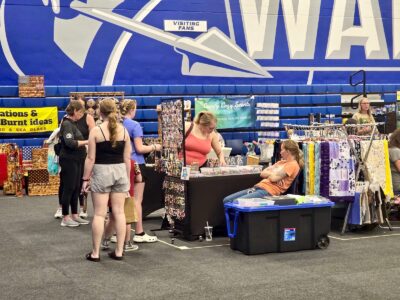
Warren Band Boosters host 10th annual spring craft fair

Red bud, white and blue

America at 250: A journey through time, told through our communities
Horse killed in crash with truck in Gallia County
From staff reports RIO GRANDE — A horse pulling an Amish buggy was killed in an auto accident Friday night in ...