
Campus Martius plunges into the past with Pioneer day
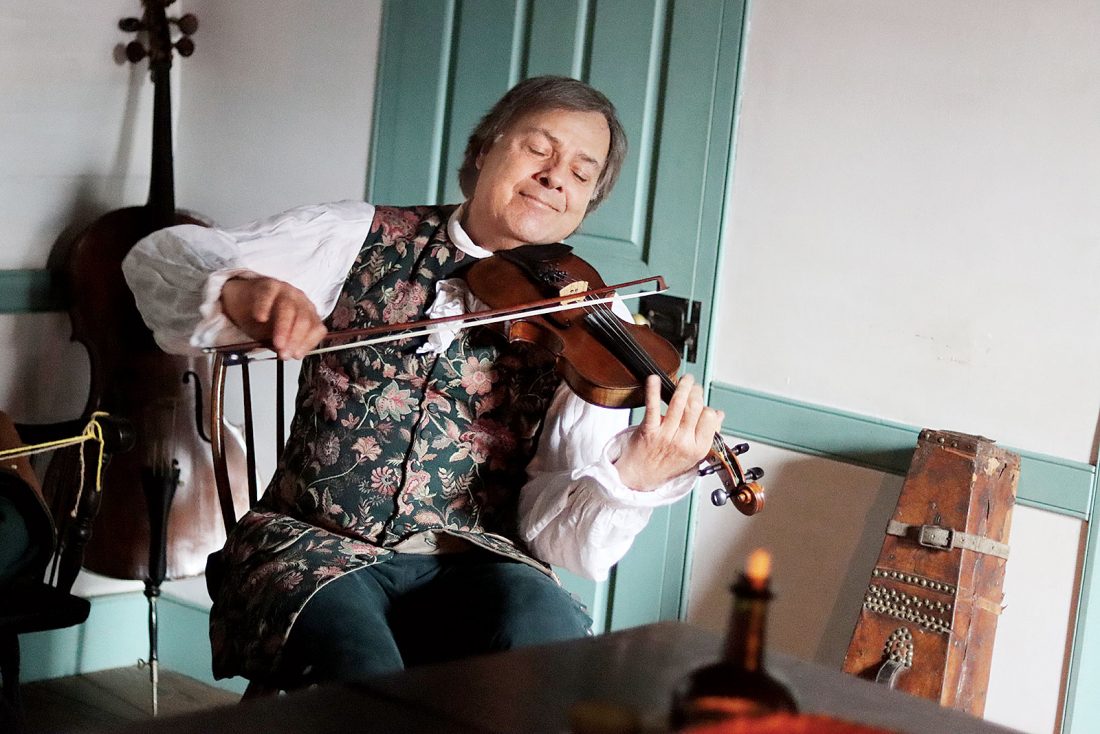
Photo by James Dobbs Larry Spisak, guest volunteer, plays the fiddle for the Visit with the Pioneers day at Campus Martius Museum.
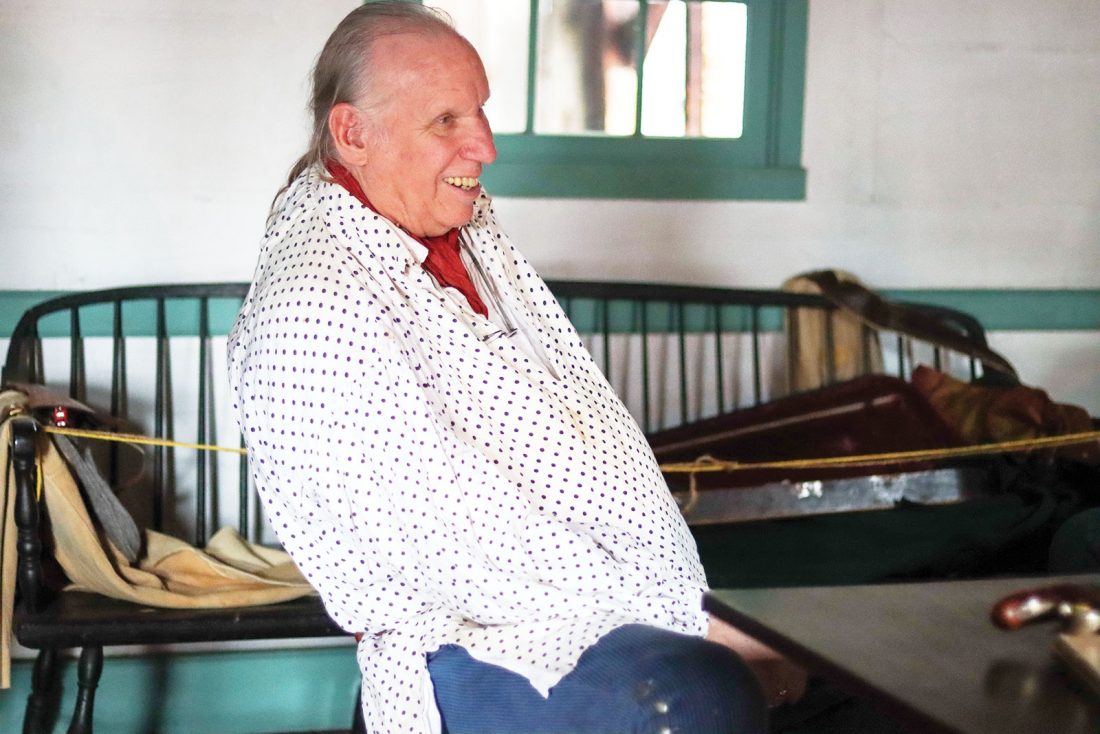
Photo by James Dobbs Bill Reynolds, historian and exhibit specialist, dresses as a pioneer for Visit with the Pioneers day at Campus Martius Museum.
Photo by James Dobbs Larry Spisak, guest volunteer, plays the fiddle for the Visit with the Pioneers day at Campus Martius Museum.
Photo by James Dobbs Bill Reynolds, historian and exhibit specialist, dresses as a pioneer for Visit with the Pioneers day at Campus Martius Museum.
Trending
Campus Martius Museum held a Visit with the Pioneers day on Wednesday. Visitors could meet with some of Marietta's citizens from the early 19th century in the house of Gen. Rufus Putnam. One of the citizens was played by Larry Spisak, a retired Monongahela River lockmaster from Morgantown. Spisak played music from the past with his fiddle during the tour.
"Learning to play the violin has been the most rewarding thing I've ever done for myself in my life, because it's taken me places I never thought I'd go, I've been able to meet people I've never thought I'd be able to meet," said Spisak. "The reward for me is to spread joy through music, and so that makes it all worthwhile."
He has been playing the fiddle for more than 45 years.
"I've traveled all across the country and played for historic events, and historic sites, and things like that," said Spisak. "It's a thrill to try to live and emulate the frontier lifestyle, and it's just something that most young people aren't exposed to anymore."
Spisak said history is fascinating to him, because he enjoys learning about the past, the founding of the United States, and where certain policies came from.
Bill Reynolds, historian and exhibit specialist, also played a citizen and answered questions about what life was like in the early 19th century.
The museum also held a special program about music on the frontier.
"Music plays such an important part in everybody's life," said Reynolds. "Especially if you can imagine being on the frontier back in 1788 or 1790. Even into the early 1800's, in this new settlement and all the work and toil that you had to go through to get your houses up, to get your crops in the ground, and you would look for anything that would sort of lighten your load, so to speak."
Reynolds said traveling musicians would come to town and find somewhere to play their music.
Spisak said the only difference between a fiddle and a violin is attitude.
"In fact, Antonio Stradivari, who is arguably the finest violin maker of all time, referred to them as fiddles," he said.
Spisak played several tunes such as "Forky Deer," "Flowers of Edinburgh" and "Nail That Catfish To A Tree," among others.
Spisak gave an origin lesson on the violin as well as each song he played.
"The fascinating thing about this instrument is that it has remained relatively unchanged in design and construction for over 500 years," he said.
He said the earliest known violin was dated for 1566.
"Music is a universal language, but the curious thing about that language is everyone can understand it, but not many people can speak it," said Spisak. "Well I learned many years ago how to speak the language of music. Music is an expression of our soul, the human soul."
Spisak said music wasn't as prevalent as it is today, he said 200 years ago the only way to listen to music was if a live performer was in your presence. He also said that some taverns had fiddles hanging on the wall, available for anyone who could play and would want to perform. Whereas in today's age, we are surrounded by music, as it is accessible through our cell phones, televisions, computers, radios, and even some elevators.
Spisak said music was incredibly important and valued in the past, when it wasn't as easily available. He said several founding fathers played the violin, including Thomas Jefferson. He said Meriwether Lewis also played the violin. Spisak said music is now taken for granted because of how accessible it is.
"I recommend playing music of one form or another to express your inner soul for others to hear," he said. "It's the finest thing I ever did for myself in my life."
James Dobbs can be reached at
jdobbs@newsandsentinel.com.