
MOV officials remind community of fall burning safety
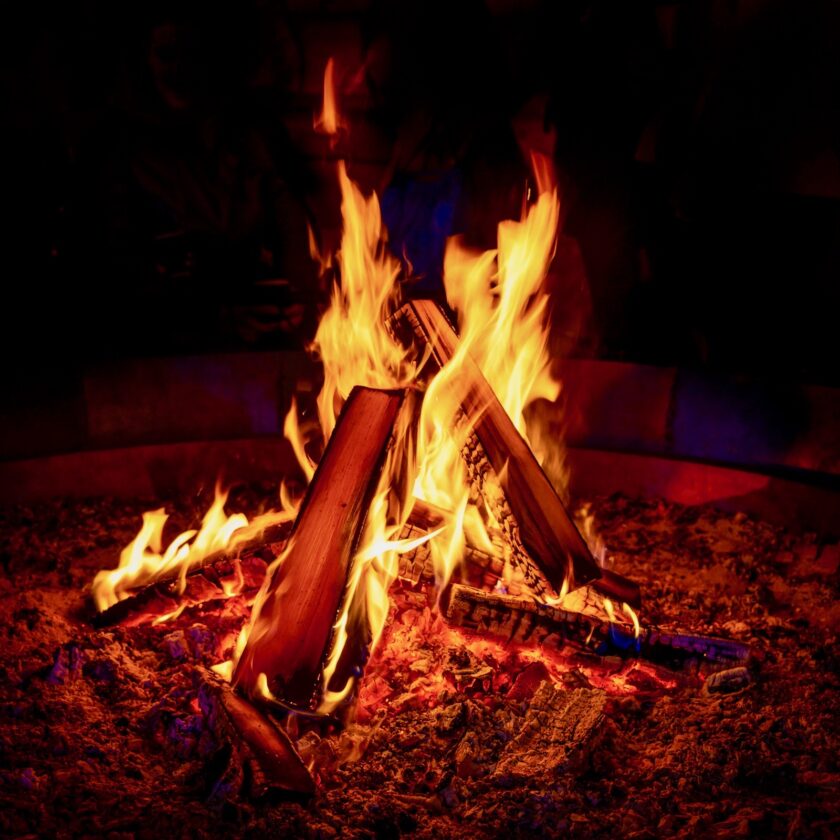
Photo Illustration

Photo Illustration
Photo Illustration
Photo Illustration
Trending
PARKERSBURG -- As the Fall Fire Season gets underway, people are reminded of when and what debris they can burn in Ohio and West Virginia.
The Ohio Department of Natural Resources Division of Forestry and the West Virginia Division of Forestry have both put out guidelines for fall burning of debris and other natural refuse.
In Ohio, fall burning regulations went into effect Wednesday, Oct. 1.
"…with dry conditions throughout the state the (ODNR Division of Forestry) and the Ohio State Fire Marshal urge Ohioans to take precautions now and follow the state's outdoor burning regulations if they plan to burn debris," according to a press release from the ODNR.
State law dictates that outdoor burning is prohibited in unincorporated areas from 6 a.m. to 6 p.m. during October and November.
Various areas in the state are seeing abnormally dry and moderate to severe drought conditions that can pose an elevated risk of wildfires. ODNR and the State Fire Marshal encourage anyone thinking about burning to take no chances and be safe.
"Every year, wildfires start in Ohio because residents carelessly burn trash and debris," said ODNR Division of Forestry Chief Dan Balser. "We want to remind Ohioans that wildfires do happen in this state and can be avoided by using safe burning practices and adhering to existing regulations."
There is a burn ban around this time of year every year. People are reminded not to burn near houses and to keep the fires smaller so they can be controlled better, said Reno Volunteer Fire Chief John Bradford.
"It has been extremely dry," he said. "Don't leave it unattended within the hours you can burn.
"Also, have a water supply nearby to be able to put it out."
There have been times when conditions have been so dry that bans have been put in around the clock.
Bradford said he has sent people copies of the ODNR regulations and reminded them of what is allowed and what isn't.
"If we would get called to an illegal burn, we would have to put it out," he said.
In Ohio, there is no outdoor burning from 7 a.m. to 5 p.m.; any fire set between 5 p.m. and 7 a.m. must be extinguished before 7 a.m.; fires must be attended at all times; and before leaving any fire for any length of time, the fire must be completely extinguished.
Officials urge a 10-foot area safety area around the fire and people need to make sure all burnable material has been removed from the circle, officials said, adding if your fire escapes, you are liable for the costs of fighting the fire and any damage the fire may cause.
Violation of the burning law is punishable by a fine of up to $1,000, they added.
In West Virginia, the Fall Burn Ban is in place from Oct. 1 to Dec. 31. During this time, residents must confine their outdoor burning to the hours of 5 p.m. to 7 a.m., according to a press release from the WVDNR.
"The reason for those hours is the humidity," said Mark Stewart, Fire Chief of the Lubeck Volunteer Fire Department. "The humidity is higher in the daytime than it is in the evening. That is why they let you burn in the evening.
"People can burn vegetation only," Stewart said. "Use your head. If it is windy, don't burn.
"If it is dry all around it, don't burn. If it is next to a building or under power lines or anything like that, don't burn."
The WVDNR is advising people to keep track of the current weather conditions; have tools and water on hand to help control the fire; never leave a burn unattended; know local regulations about burning; and consider safe alternatives for debris disposal, such as composting.
People can also be fined $1,000 for violating burning laws.
Stewart stressed that the regulations are for vegetation only. People have tried to take apart a shed or small building and burn it, he said.
"The only thing you can burn is grass, leaves, hay, shrubs, tree limbs and so on," Stewart said. "You cannot burn trash or couches."
As West Virginia approaches its fall fire season, the WVDNR is urging all citizens to prioritize safety and adhere strictly to the state's burning laws, the press release said.
"Wildfires pose a significant threat to our communities, forests and natural resources," the release said. "By exercising caution and following established regulations, we can collectively prevent devastating fires and protect our beautiful state."