
Annual Cicadas and Their Intimidating Wasp Nemesis: Part 1
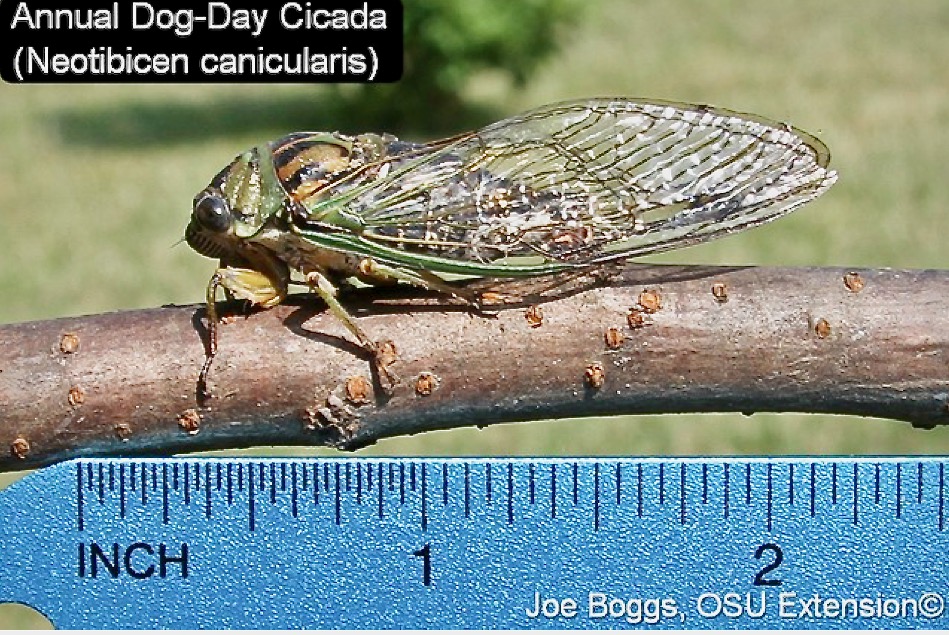
Photo Provided
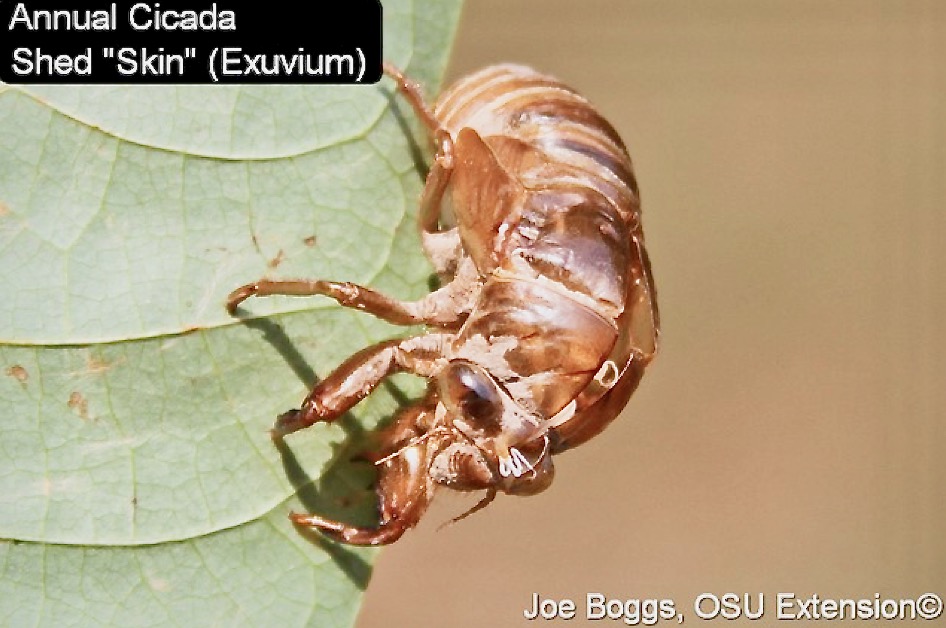
Photo Provided
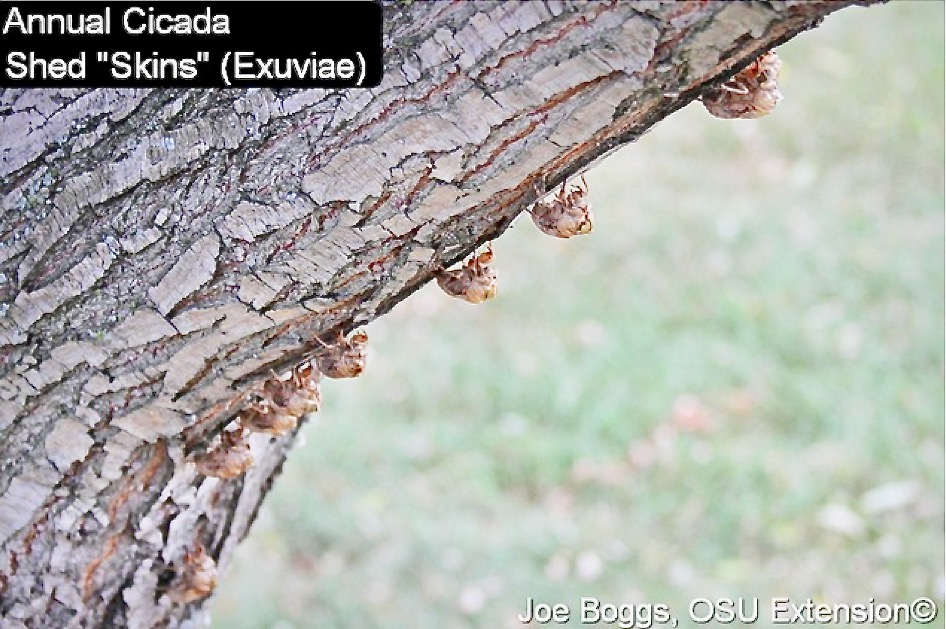
Photo Provided
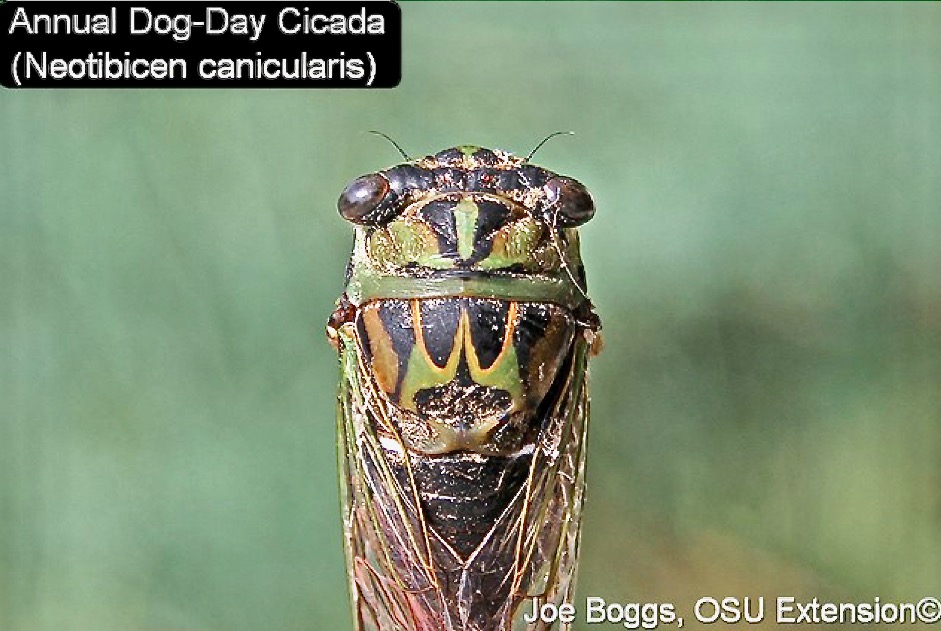
Photo Provided
Photo Provided
Photo Provided
Photo Provided
Photo Provided
Trending
During this week's Tuesday morning BYGL Zoom Inservice, Curtis Young (OSU Extension, Van Wirt County) reported that he heard the first Annual Cicadas (family Cicadidae) singing in northwest Ohio. Curtis noted they are about one week overdue since he normally hears them in his neck of the woods over the Fourth of July Weekend. The cicadas are also singing in the southwest part of the state.
Annual cicadas share several behavioral traits with their periodical cicada (Magicicada spp.) cousins.
The nymphs of both types of cicadas develop underground sustained by juices sucked from tree roots and it takes multiple years for them to complete their development from eggs to new adults.
Once the periodical and annual cicada nymphs complete their development, they leave the soil and climb stems to molt. This event is commonly described as the last instar nymphs exiting the soil. However, it's actually new adults wrapped in the last instar's exoskeleton that are climbing the stems. The result is that the cicadas leave behind their shed "skins" (plural exuviae, singular exuvium) stuck to the stems of trees and other vegetation.
As with periodical cicadas, annual cicada females use their long, spade-like ovipositors to insert eggs through the bark of twigs and into the white wood.
They can produce twig dieback ("flagging"); however, owing to the smaller numbers, their egg-laying damage usually goes unnoticed.
Of course, a big difference between the two types of cicadas found in Ohio is represented by the names periodical and annual. Periodical cicadas take 13 or 17 years to complete their development from eggs to adults and they emerge in the spring.
Annual cicadas emerge in the summer, and they develop more quickly compared to periodical cicadas. It takes 2-3 years for the nymphs to complete their development. However, we see and hear adults every year because of overlapping generations within a species and because there are more than one species in Ohio.
Our most common annual cicada in Ohio is the Dog-Day Cicada (Neotibicen canicularis) so named because the adults appear sporadically throughout the "dog days" of summer usually beginning in July.
Indeed, the specific epithet, canicularis, is derived from the Latin word, canicula, which references the Dog Star, Sirius.
Ohio is also home to 11 other species of annual cicadas including the Northern Dusk Singing Cicada (Megatibicen auletes) which is the largest-sized annual or periodical cicada in North America. You can view pictures of the different species by visiting the Cicada Mania website.
Indeed, for years, my pictures of the Swamp Cicada or Morning Cicada (N. tibicen tibicen) were mislabeled as "Dog-Day Cicada." Of course, had I paid greater attention to the male's songs, I would have been aware of my error.
Along with pictures, the Cicada Mania website also includes high-quality audio files for each species.
Like the periodical cicadas, annual cicada males "sing" to attract females and each species has its own tune. This prevents females from experiencing awkward moments as well as wasting time and energy by responding to males of another species.
However, unlike periodical cicadas, annual cicada males don't "chorus" with large numbers synchronizing their song. An occasional dog-day cicada singing solo to entice a female doesn't compare to the sheer volume of sound created by a multitude of periodical cicadas singing in unison. The decimal difference is like Gordan Lightfoot compared to Manowar.
Cicada Killer Wasps: The Nemesis of Annual Cicadas - Part 2 coming next week.
About the Author:
Joe is an assistant professor in Extension and has a courtesy appointment with the OSU Department of Entomology. In Extension, he is an Educator, Agriculture and Natural Resources, and his specialization include Tree/Shrub Diagnostics, Applied Entomology, Non-Native Invasive Pests, Urban Forestry. Joe has authored many posts for OSU's popular Buckeye Yard and Garden Line.