
The last men
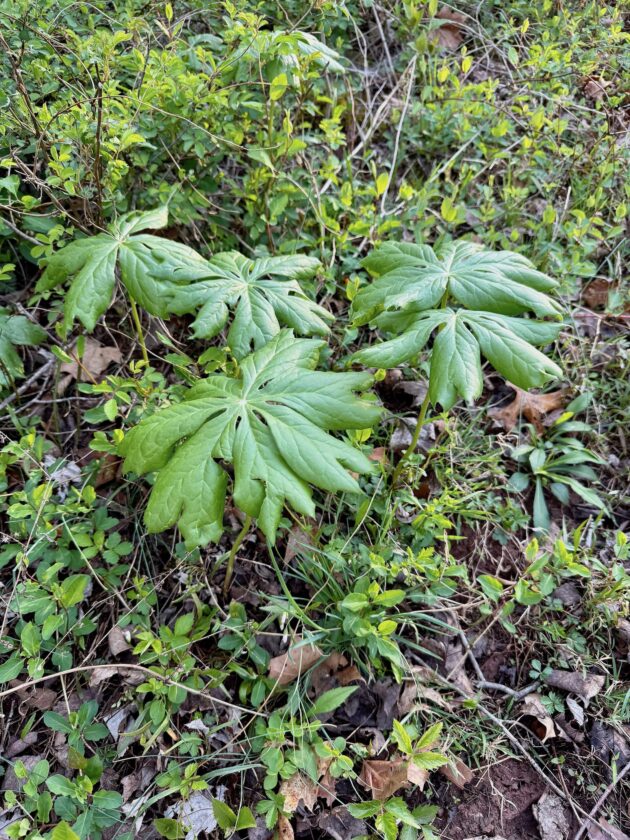
Mayapple plants. The flower and apple fruit grow under the leafy canopy. (Photo by David B. Baker)
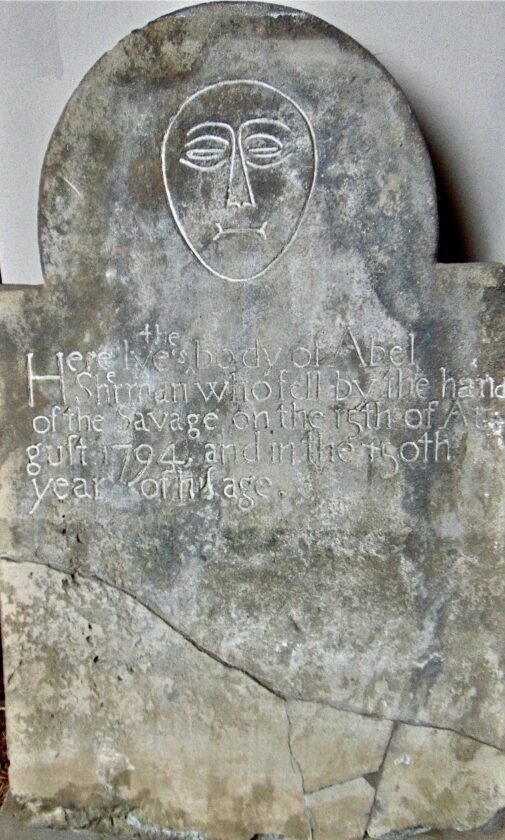
Original gravestone of Abel Sherman, now at Campus Martius Museum in Marietta. Look closely and see typos by engraver. (Photo provided)
Mayapple plants. The flower and apple fruit grow under the leafy canopy. (Photo by David B. Baker)
Original gravestone of Abel Sherman, now at Campus Martius Museum in Marietta. Look closely and see typos by engraver. (Photo provided)
Trending
I’ve often read stories about the “last person killed” in a conflict. If only they hadn’t been present at that time and place, their families must have thought. So it was with two early settlers, both named Sherman. One warm, humid June day in 1794, Abel Sherman went out to find his missing cows. They often roamed in the woods during the day where they fed on the heavy growth of buffalo clover and pea vine. Sherman and his family lived in the fledgling settlement of Olive Green, 4 miles above Waterford.
Despite no recent Indian attacks, but Abel Sherman’s neighbors suspected Indians had taken the cows. Sherman, “a stout, resolute old man of nearly 60,” set out against the advice of others. He headed downriver to Fort Frye, thinking that his cows might be there or that someone might have seen them. No luck. It was late in the day; people at the Fort pleaded with him to stay the night, warning him of the danger. He set off anyway, stopping about a quarter mile from home to gather mayapples for the children. As he stood up, he saw an Indian and instantly grabbed his musket and fired. The Indian was wounded but shot Abel Sherman through the heart, then took his scalp.
Sherman’s eldest son, Ezra, heard the two shots. He recognized one as his father’s large musket and hurried to the scene. He found his dead father, scalped, his shirt full of the mayapples he had gathered. He was buried near a stream where he died, which became known thereafter as “Deadman’s Run.” Abel Sherman was probably the next to last man killed by Indians in the area.
Four years later, a local Indian named Silverheels visited men working the salt deposit in Muskingum County. He was drunk and began bragging about killing a white man above Fort Frye a few years earlier. Most ignored the drunken ramblings. One man recognized the details of Silverheels’ story: Abel Sherman’s youngest son, Josiah. Silverheels was describing the murder of Josiah’s father. He was overcome with sadness and anger. Shortly after that, Silverheels body was found with a bullet through the heart. It's likely that Abel Sherman's death had been avenged.
A year later in 1795, another man named Sherman, Sherman Waterman, was killed by Indians. He and several others were clearing land they owned. They worked on a different person's lot on each day, clearing large trees along the south branch of Wolf Creek. Working together gave them needed manpower, social interaction, and protection against Indian attacks.
On May 22, 1795, they were huddled in a cabin waiting out a heavy rain. There was banter among the group who had become friends. The rain let up, and Sherman went out to gather hemlock boughs to sleep on that night. Soon those in the cabin heard a rifle shot. They grabbed their muskets and peered outside. Sherman staggered back to the cabin, severely wounded. He died that night, the last victim of Indian violence in our area.
Both Shermans are buried at Waterford Cemetery. There is a monument to Silverheels at a Stockport cemetery which reads: "In memory of Silverheels, Shawnee Indian, who kept his campfires at Bald Eagle Creek. Murdered in revenge 1798. Secrets and Whiskey do not mix." Abel Sherman's gravestone includes a death mask image – a Puritan reminder of human mortality and the necessity of preparing for the afterlife.
Remember the mayapples mentioned earlier? It's a common spring plant in eastern woods which looks like a beach umbrella. The grape-sized fruit ("apple") is edible, but all other plant parts are toxic. Our property has hundreds of mayapples, but I didn't know the fruit was edible. I'll try one, carefully.