
Early Marietta: Ephraim Cutler and the One Vote Story
Trending
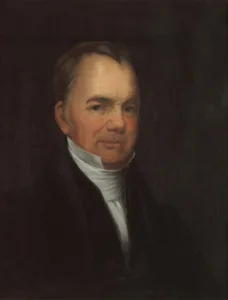
"One Vote! The Musical" is a play written about Marietta’s founding and its place in Ohio and American history. It’s being performed this weekend and next as part of the America 250 celebration. The title comes from the story of Ephraim’s Cutler’s iconic effort which kept slavery out of Ohio, by his deciding vote.
That story began in 1787. The Ohio Company of Associates, mostly Revolutionary War veterans, pitched a creative idea to Congress. Paraphrasing here, “Have we got a deal for you: Allow us to buy land using our veterans' land warrants and some hard cash. We get the land you owe us, and your Federal debt is reduced.” Congress paid attention.
The Ohio Company also wanted civil rights protections for citizens - and no slavery. Manasseh Cutler, Ephraim Cutler’s father, – a puritan minister and scientist, was a tough negotiator. He was emphatic about slavery: “Exclude slavery forever from the territory northwest of the Ohio River, and we will buy your land…Allow it to enter, and not a penny will we invest.” On July 13, 1787, Congress passed the Ordinance of 1787, creating a new territory - WITH civil rights and WITHOUT slavery. Fast forward to 1802 when a Constitutional Convention convened for Ohio statehood. Delegates from Washington County included Rufus Putnam, Ephraim Cutler, Benjamin Ives Gilman, and John McIntire. Slavery was a contentious issue.
Ephraim Cutler seemed an unlikely delegate to wield influence at the convention. He and Washington County delegates were staunch Federalists, a party that was out of favor. And he cast the sole no vote against statehood before the Convention even started, incurring contempt from some.
The “One Vote” story from Ephraim Cutler's memoir is that he kept Ohio from becoming a slave state, rising from a sickbed to cast the deciding vote. He was appointed to the Bill of Rights Committee. The committee chair proposed allowing slavery, for men up to age 35 and women until 25. This was considered a “compromise” (slavery-lite) because of the age limits. But it was still slavery. Cutler was angered. He knew this wording came from then President Thomas Jefferson, a Virginia slave owner. Jefferson wanted to introduce slavery where it had been prohibited before (the Northwest Territory expressly prohibited slavery). Cutler: no way!
He objected, stating that his constituents opposed slavery and that the prohibition in the Northwest Ordinance was binding on states formed from the territory. He wrote an alternative section including the words “There shall be neither slavery nor involuntary servitude in this state…” The Committee accepted Cutler’s wording – by a single vote, 5-4.
But Ephraim Cutler’s memoir says his One Vote was cast in the entire Convention. That didn’t happen, historians say. Convention records say no one proposed any change to Cutler’s no-slavery committee language, perhaps testimony to Cutler’s influence. Cutler’s memoir was written decades after the actual event. Some say he confused the Convention slavery vote with the Committee vote or with another Convention vote on another Black rights issue.
One Vote story - true or false? Doesn't matter! All agree that Ephraim Cutler was passionate about keeping Ohio a free state. His courage and influence made it happen.
There were two other One Votes of note. One was Cutler's aforementioned vote against statehood at the Conventions opening. Why vote no and incur ill will? The courage to vote his conscience, "I was expressing the will of my constituents (and)... my own...convictions."
The other One Vote was that of a free Black man, Kit Putnam, in the election of delegates to the Convention. He was the first Black to vote in Ohio, as permitted under Territorial law. Ironically, the first Ohio Constitution denied Blacks the right to vote.