
Early Marietta: Fog, Oxen, and Swimming Squirrels: The Lewis and Clark Expedition visits Marietta
Trending
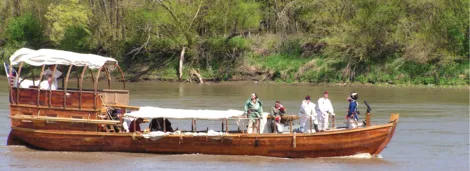
The initial phase of the Lewis and Clark Expedition started from Pittsburgh on August 31, 1803, on a keelboat bound for St. Louis with supplies and recruits. They arrived in Marietta September 13. Thomas Jefferson had a vision that the United States should occupy the entire continent from Atlantic to Pacific. Previous explorations of routes to the Pacific Ocean had failed.
President Jefferson organized an expedition. It was a U. S. Army operation, officially named The Corps of Discovery. Captain Meriwether Lewis, then 29 years old, was the leader. The Corps included several men, including Lewis, from a successor unit of the First American Regiment which had occupied Fort Harmar. Here are Lewis's journal excerpts with fascinating details of the trip.
AUGUST 31: Stopped at Bruno’s Island and fired Lewis's unique compressed air gun for inquisitive residents. Someone accidentally discharged the gun, hitting a woman who “fell instantly and the blood gushing from her temple…we supposed she was dead.” The wound was superficial, to their great relief. At McKees Rocks, because of low water in the river, “we were obleged to drag the boat over about thirty yards of mud and rocks – a herculean effort for a fifty-five foot boat carrying a ton of supplies. Without dams, the river was often shallow during dry spells. SEPT. 1: Morning fog caused delays and fascinated Lewis, “the Fog appears to owe it’s orrigin to the difference of temperature between the air and water." Slow going at shallow areas called “little horsetail riffle, “big horsetail riffle” and “Woollery’s Trap.” SEPT 2: Hired oxen again. Lewis complained that local people “charge extravagantly…for assistance and have no filantrophy or concience.” SEPT 2: “…today the leaves of the buckeye, gum, and sausafras (trees) begin to...turn red.” SEPT 4: Canoe leaked. Some supplies got wet. Water very clear – saw “a great number of Fish..., the Stergeon, Bass, Cat fish, pike, &c." SEPT 6: The keelboat had a sail. “hoisted our fore sale (sail) found great relief from it…we run two miles in a few minutes when the wind becoming so strong we were obliged to hall it in." SEPT 7-8: Reached Wheeling. Met with local officials... “my men were much fatiegued and I (gave) them a days rest…” SEPT 10: He described the large Adena mound at present-day Moundsville WV: "the mound is nearly a regular cone 310 yards around and 65 feet high"...several skeletons were found inside it. This is similar to the smaller mound in Mound Cemetery in Marietta. SEPT 11: At Long Reach, "observed a number of squirrels swimming the Ohio River to the east shore." Other settlers have had similar observations. Lewis’s dog caught some squirrels...”I thought them when fryed a pleasant food…” SEPT 12: From a "Yankey farmer I perchased some corn and pittatoes...in exchange for a few pounds of lead." SEPT 13: Reached Marietta; stayed the night. "Observid many (passenger) pigeons passing over us." Flocks then were large enough to obscure the sun. More swimming squirrels. "Was visited by Colonel Griffin Greene, the Postmaster of this place, he appears to be... a gentleman and an excelant republican." "Wrote to President of the U.S.," mentioning that "horses and oxen are the most efficient sailors in the present (low water level) state of this river." SEPT 14: Delayed departure from Marietta until 11 am because two of the crew were drunk and did not return to the boat.
The Lewis and Clark Expedition eventually started from St. Louis in May 14, 1804 and returned September 30, 1806. Three years later Meriwether Lewis was dead at age 35 of an apparent suicide.