
Upgrades to ensure a home stays safe and secure
Trending
A home can never be too safe or secure. When residents of a home leave or go to bed at night, a wide range of safety and security features can protect them and their belongings. In-home amenities also can make homes safer for residents with mobility issues or other limitations.
Homeowners indeed have no shortage of options when seeking to make their homes safer and more secure. An assortment of safety and security features can help homeowners plan for nearly every situation that could put residents in jeopardy.
• Age-related safety features: Various features can help seniors age in place. The National Institute on Aging recommends installing grab bars in showers and bathtubs to reduce the risk of falls when bathing. Such features also can help seniors balance themselves while they bathe and get in and out of showers and tubs. Nonslip strips can be installed on bathroom and kitchen floors in areas that might be vulnerable to spills or puddling. The NIA also recommends fixing all carpets firmly on the floors, which may necessitate the removal of all area rugs. Adding handrails on staircases so there's something to grab onto on each side the staircase also can enhance the safety of these potentially risky spaces in a home.
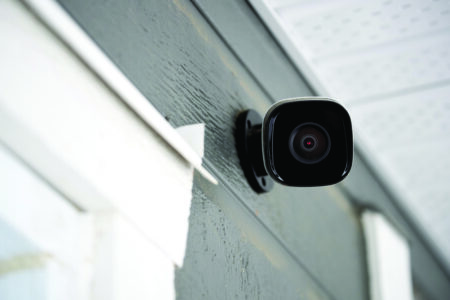
• Entry point security features: Deadbolts, security cameras and/or smart doorbells make it easier to keep strangers out and monitor entryways. Smart doorbells may deter criminals from approaching a property. Locks and sensors also can be installed on all windows, and especially those on the first floor that can be accessed from the ground. Locks on sliding doors can be reinforced with secondary locks that further prevent the door from being opened from the outside once the locks are engaged.
• Fire safety features: The National Fire Protection Association notes that the death rate in home structure fires is approximately 60 percent lower in homes with working smoke alarms than in homes with no alarms or in homes where alarms are not working. The NFPA adds that smoke alarms monitor for smoke and control the speaker that emits the sounds that notify occupants of the presence of smoke. The NFPA recommends both ionization smoke alarms and photoelectric smoke alarms, as each employs a different type of sensor. The combination of both in a home ensures people are alerted in the case of both flaming fires (ionization alarms) and smoking, smoldering fires (photoelectric alarms). A functioning fire extinguisher also is a must (disposable extinguishers typically last between 10 and 12 years), as is a carbon monoxide detector.
• Lighting: Sufficient lighting in a home and around the exterior of a home and even the property can be another important safety and security measure. Exterior lighting deters intruders because it makes them more visible to residents while they're awake and makes them easier to see on overnight security cameras, which can be enough to keep them away. Interior lighting makes it easier to navigate a home at twilight and at night. Hallway night lights can make trips to the bathroom safer, and lighting alongside stairways can make these spaces easier to navigate when the rest of the home is dark.
There's no shortage of ways to make homes safer and more secure, which should be a priority for homeowners of all ages.