
Trending
If you haven't been impacted by the flu this season, chances are you know someone who has been.
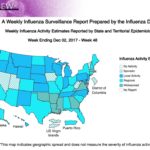
The Ohio Department of Health says flu hospitalizations across the state are higher than usual and much worse than a year ago.
"Now is a great time to get your flu shot. It takes about two weeks for a flu shot to take full effect so with the holidays right around the corner and flu cases starting to increase, this is a great way to protect yourself, your friends and your family," said Melanie Amato, public information officer with the Ohio Department of Health.
ODH says those numbers are above the five-year average for December and higher than last year, which saw 19 flu-related hospitalizations during the same week and 83 hospitalizations overall for the period. The state and federal Centers for Disease Control and Prevention say everyone 6 months and older should get a flu shot, despite reports that this year's vaccine may not be very effective.
The seasonal flu vaccine protects against the influenza viruses that research indicates will be most common during the upcoming season, which is typically worst between December and March. This year the shot is the same formulation that was used during Australia's most recent flu season -- which typically sets a pattern for what the U.S. will face. They have only seen a 10 percent rate of effectiveness.
How well the flu vaccine works, or its ability to prevent respiratory illness, can range widely from season to season. The vaccine's effectiveness also can vary depending on who is being vaccinated, according to the CDC. The CDC urges people to get the vaccine, regardless of preliminary reports out of Australia, because it will still lessen complications and the severity of the illness.
The southeastern part of the state has seen 14 flu-related hospitalizations between Nov. 26 and Dec. 2, including one case in Washington County, according to Val Betkoski, director of nursing with the Washington County Health Department.
That is actually the third highest region in the state in terms of hospital visits, with the east central part of the state seeing 21 cases and the northeast part of the state seeing 16, according to ODH.
"No vaccine is 100 percent effective but there are many reasons to get a flu vaccination. Flu vaccination reduces the risk of flu illness by 40 to 60 percent among the overall population during seasons when most circulating flu viruses are like the vaccine viruses," Amato said.
Julie DePuy, a registered nurse with the Marietta City Health Department, said they have had a steady stream of clients since starting their flu shot clinics in October.
"The goal of the shot is not the prevention of the flu, it's the prevention of the consequences, including hospitalizations and death," she said.
The city health department has plenty of the vaccine and is offering the shots on Mondays and Tuesdays through Jan. 8 when they will switch to Mondays only.
The department will also be closed the weeks of Christmas and New Year's Day. The Washington County Health Department also offers vaccination clinics on Wednesdays and Fridays.
In the interim, PePuy said taking preventative measures, including staying home if you're sick and covering a cough, are just as vital to warding off sickness.
"Probably the single most important thing you can do is wash your hands. There is no limit to the amount of times a day you can wash your hands," she said.
Flu shot clinics
Marietta City Health Department
304 Putnam St., 740-373-0611
≤ For those ages 6 months and older.
≤ Mondays and Tuesdays from 8 a.m. to 4 p.m.
≤ Closed Christmas week and New Years week.
≤ Starting Jan. 8, vaccines will only be offered Mondays. The first Monday of each month, 8 a.m. to 6:30 p.m.
≤ Insurance, Medicare and Medicaid accepted.
Washington County Health Department
342 Muskingum Drive, 740-374-2782
≤ Ages 6 months and older.
≤ Flu shots Wednesdays 1 to 6 p.m., Fridays 9 a.m. to 4 p.m.
≤ Insurance, Medicare and Medicaid accepted.
Various pharmacies and private practice physicians also offer the flu vaccine.
Protect yourself and others
≤ Cover your mouth when you cough or sneeze.
≤ Stay home when you're sick.
≤ Avoid close contact with people who are sick.
≤ Wash your hands.
≤ Clean and disinfect surfaces.
Source: Julie DePuy, Marietta City Health Department; the U.S. Centers for Disease Control and Prevention.