
Trending
Couples far and wide will tie the knot this year. Weddings join two lives together and often culminate with a lavish party that sees extended family and friends gather around tables enhanced by floral arrangements and delicious food.
But long before guests can choose chicken or beef or newlyweds mail the final thank you note, couples must first take the initial step on the road to the wedding. That means getting engaged.
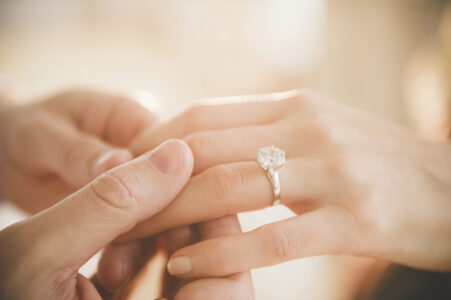
Traditionally, engagements involve a sparkling gem that symbolizes love, fidelity and a whirlwind series of months poring over every possible wedding detail.
Shopping for an engagement ring is a unique experience. A ring requires a significant financial investment and serves as a lifelong symbol of commitment to another person. To navigate this sparkling world of diamonds and settings, shoppers can focus on key areas, notably budget, gem classification and finding a reputable jeweler.
Establish an engagement ring budget
Those ready to pop the question need not adhere to the outdated "three months' salary" rule when selecting an engagement ring. Instead, the ring should be chosen based on financial realism and means. The Knot's 2024 Jewelry & Engagement Study indicates the average cost of an engagement ring in the United States comes in at approximately $5,200. However, many couples spend less, showing that a marriage need not start on shaky financial footing due to the cost of a ring. If cost is a factor, lab-grown diamonds often cost 50 percent or more less than natural diamonds, yet they are chemically and physically identical to mined diamonds. One also can consider another gemstone, particularly if diamonds are beyond a budget or seem too traditional.
Know the four Cs
Diamond shopping involves mastering the Four Cs, which refers to Cut, Color, Clarity, and Carat Weight. A person should prioritize the cut above all else, and try to find a diamond in budget that has a cut that brings out the gem's brilliance and fire. It can be challenging to distinguish a diamond's color with the naked eye. Very often a near-colorless G-J diamond can look identical to a colorless one (Grade D). Color grades increase up to Z, with the diamond being more yellow/brown as the grading goes on. Clarity refers to tiny flaws (inclusions) in the diamond. A diamond that is Very Slightly Included will have inclusions not visible without magnification, making them a safe bet for saving money over those without any inclusions at all. Carat weight refers to the diamond's weight and not its size. Diamonds just shy of the full- or half-carat mark tend to be less expensive but still look impressive.
Choose a reputable seller
It's best to choose a gem that has been graded by an independent laboratory like the Gemological Institute of America. Customers also should select a jeweler they trust, which may require some research and word-of-mouth recommendations. A knowledgeable jeweler also can make suggestions on setting and gem shape. Upon purchasing the engagement ring, one also might consider having it independently appraised for further purchase protection.
An engagement ring purchase requires careful consideration and a significant investment. But once the stress of purchase wears away, the lasting memories of the engagement and wedding to come will make everything well worth it.