
The Way I See It: Museum has been part of the riverbank for a half century
Trending
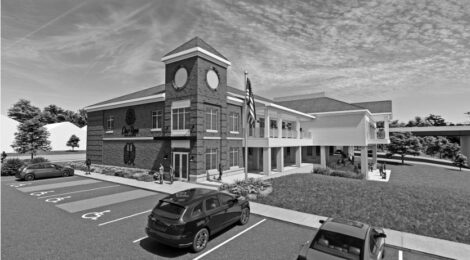
A large, new Ohio River Museum is slowly taking shape along the banks of the Muskingum River on Front Street, near the Washington Street Bridge.
Museum exhibits have celebrated the river since it was a part of Campus Martius, operating for a time at the museum at Second and Washington streets. A joint effort by the Ohio State Archaeological and Historical Society and the Sons and Daughters of the Pioneer Rivermen filled part of the facility with river artifacts. As exhibits grew, it became time to search for a new home with planning starting in 1968.
The Ohio Legislature provided funding for a new facility "along the banks of the Ohio River." A site committee however picked a spot along the Muskingum River.
The river museum got its own home when the Ohio Historical Society announced on Feb. 26, 1971, that they would construct the Ohio River Museum, not on the banks of the Ohio, but slightly upstream on the Muskingum next to the Washington Street Bridge. The news release from the Ohio History Center said the spot offered a panoramic "view of these two great water highways at the river community where the Northwest Territorial government began."
They were half right. It offered a great view of the Muskingum, but the Ohio is a mile away and blocked not only by land, but by the three bridges that span the Muskingum.
The front page of the Marietta Times that day featured an illustration of the unusual three-building home for exhibits about life on and near the river.
The three wood structures were constructed to be above any flooding by being elevated on concrete piers. Under one of them was to be a pond where children could play with scale models of historical boats.
Construction started in mid-1971 and it formally opened for visitors on Oct. 14, 1973.
I moved to town about a year later and the fact that the Ohio River Museum was on the Muskingum confused my young mind.
By then, the museum was a fully functional facility. When I began rowing crew, we passed by the museum's centerpiece, the Sternwheeler W.P. Snyder Jr., every day during practice. The flatboat was added around this time, only to repeatedly sink and move from being a water-based exhibit to being a land-based one. The daily trips of the Valley Gem provided a welcome distraction. The sternwheelers were a normal part of our river but must seem odd for crews visiting from less interesting bodies of water.
A shanty boat and the pilot house of the Tell City were later added as outdoor exhibits, and the River Trail was constructed through the site.
After 50 years, it became apparent that the museum once again needed a new home. No site selection was needed this time; they already had the perfect one. The problem was that there were three large buildings on concrete stilts sitting on it. The old museum would have to be removed to build the new one.
Which is why we now have a $14.3 million construction project under way directly next to several museum pieces that were frankly too big to move. Things that could be moved were either taken off site or are being stored high in the air in what was once one of the three pods of the old museum. When construction is completed next year, those items will be carefully moved into the new Ohio River Museum a few feet away and the remaining pod will be removed.
Part of the new museum will also house the Washington County local history and genealogy archives.
Everything is expected to be completed next year, and we will once again be able to celebrate the Ohio River from the banks of one of its largest tributaries, the Muskingum River.
Art Smith is online manager of The Marietta Times and The Parkersburg News and Sentinel. He can be reached at asmith@newandsentinel.com