
Early Marietta: Tulip Poplar, a flowering tree and valuable resource on the Ohio frontier
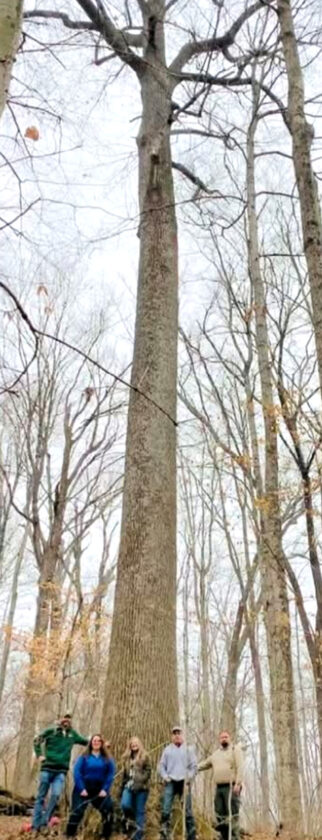
Tallest known tree in Ohio, a tulip poplar at Hueston Woods State Park, 176 feet tall. (Photo provided by ODNR)
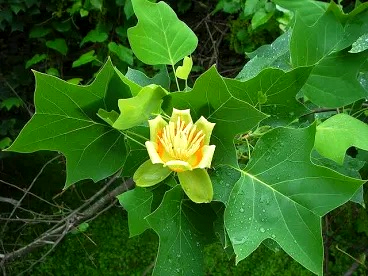
Flower of tulip tree. (Photo provided)
Tallest known tree in Ohio, a tulip poplar at Hueston Woods State Park, 176 feet tall. (Photo provided by ODNR)
Flower of tulip tree. (Photo provided)
Trending
Each year in early May, I notice beautiful flowers lying on the ground in our woods: light green, yellow, and orange color, smaller than a golf ball, with a tulip-like circle of petals. Are these from a wildflower or maybe an escapee from someone’s garden? No. These small exquisite flowers are from huge 100 foot trees - tulip poplar, using the flower namesake, or yellow poplar.
Early Ohio was heavily forested by huge trees hundreds of years old, such tulip poplar, sycamore, and oak. They were a valuable resource to the early settlers for construction and other functions. Poplar has long been a staple wood for siding, flooring, and doors. Oak, cherry, walnut, and curly maple get all the glory in fine furniture. But many of those furniture pieces also contain poplar behind the scenes – in the drawers, backing, and shelving.
Tulip tree facts and observations:
USE AS LUMBER IN EARLY OHIO: Poplar boards for temporary huts were loaded on a flatboat carrying the first settlers on April 5, 1788, 2 days before they arrived at Marietta. Master craftsman Jonathan Devol used poplar extensively for boards and building walls. Rufus Putnam noted the value of tulip poplar for construction. Because the wood was straight-grained, lightweight, and resistant to warping, it was used extensively for the siding, flooring and finish work of early structures, including in parts of the Rufus Putnam house at Campus Martius Museum. Marietta's “Old Courthouse” built in 1799 had 3 ft. thick walls made of “double tiers yellow poplar logs, 18 inches square and neatly hewed and dove-tailed at the corners of the building.” Poplar logs were sometimes called “canoe wood” because Indians used them to make dugout canoes. You can see a dugout canoe at the Ohio River Museum when it reopens next year.
ARCHAEOLOGICAL STUDY: Manasseh Cutler, prominent leader and science whiz, used a huge poplar tree on the Quadranaou Mound to estimate the mound’s age. He computed the tree ring age at 464 years, suggesting the tree began growing in 1324 A.D. Further study suggested that this tree was probably the second or third generation of similar trees on that mound. This meant the Marietta earthworks were over 1,000 years old at the time. Cutler's archaeological study of the poplar trees influenced the Ohio Company leaders to preserve the earthworks and revealed that earlier civilizations had occupied this area long ago.
“WITNESS TREES”: Poplars were used, along with other large trees, as “witness trees” in survey descriptions marking corners of lots. One source says there were more than 5,600 witness trees used in surveys of the Ohio Company lands in southeast Ohio. Trees were more permanent and visible than available man-made markers.
HIGH LOOKOUT FOR SCOUTS: This one surprised me. Scouts often climbed the towering tulip poplar trees for a better view to locate Indians’ war parties or camp sites. These trees were often 100-150 feet tall, taller than most other trees, allowing a view of many miles. A wisp of smoke, rising dust, or a glint of reflected sunlight on a metal surface could reveal the enemy’s location. Indians did the same thing. In the unsuccessful Harmar and St. Clair 1790-91 campaigns to defeat Indians in western Ohio, Army units were being observed long before they realized they were in danger.
The base of each tulip tree flower matures into a cone-shaped woody structure which distributes dozens of winged seeds over the winter. To paraphrase the oak tree proverb, "mighty poplars from little flowers grow." Sometimes the tulip tree releases a dripping fluid when it flowers. Not to worry, it's sweet-tasting nectar, not "honey dew" (aphid exrement).