
The Way I See It: Cabooses met their end in the 1980s
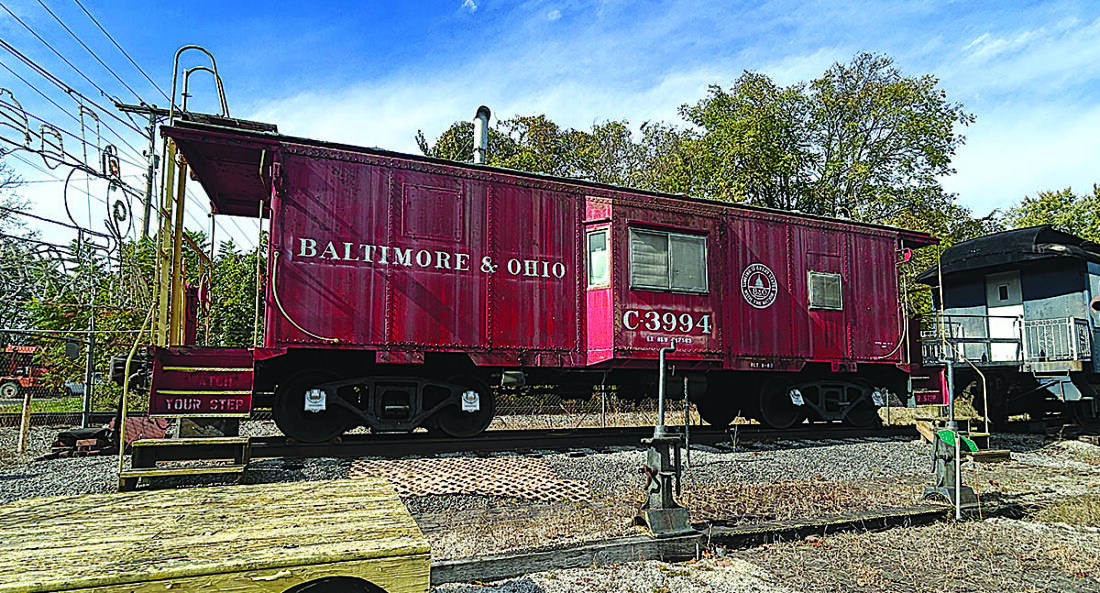
The caboose in Depot Park in Belpre.
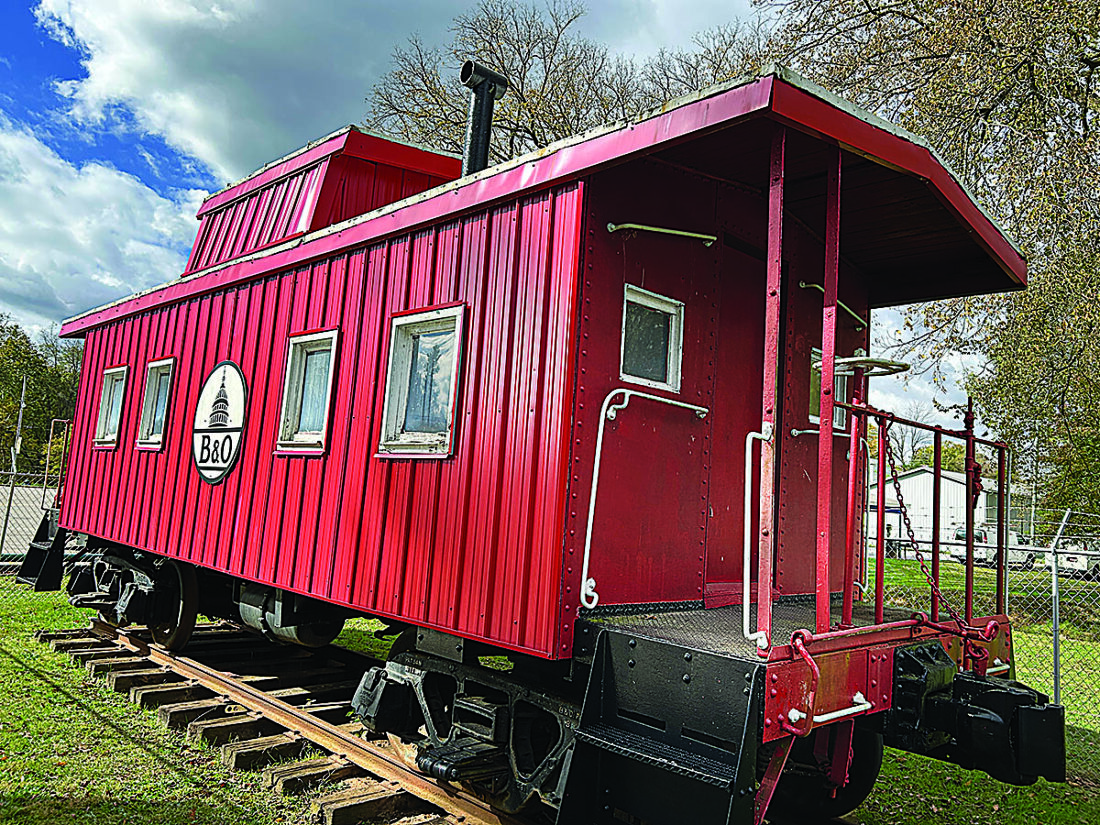
The caboose in Jackson Park in Vienna.
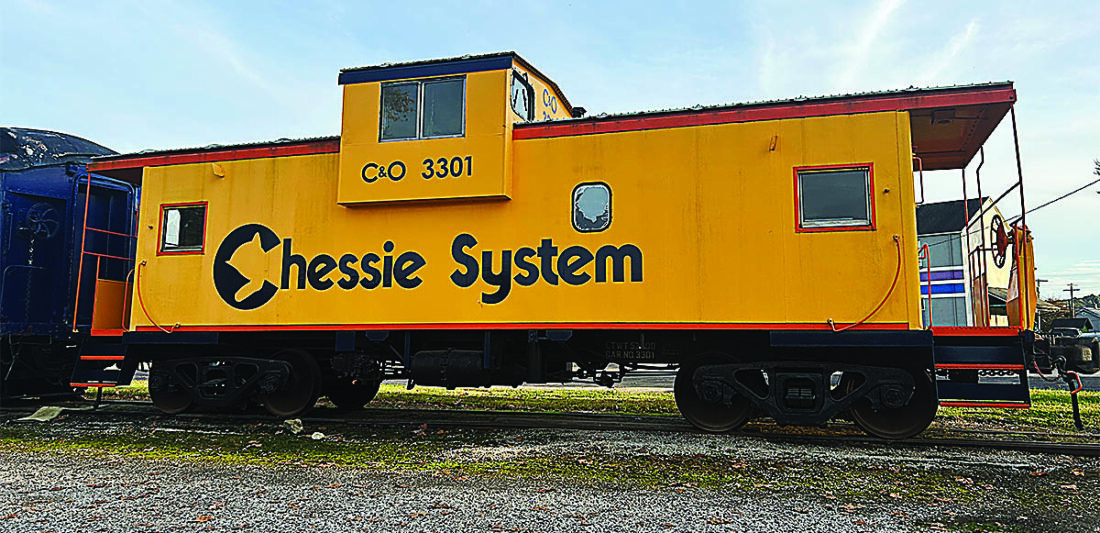
The caboose in Harmar.
The caboose in Depot Park in Belpre.
The caboose in Jackson Park in Vienna.
The caboose in Harmar.
Trending
I have always been intrigued by the sight of a train engine pulling a long string of freight cars bound for one of the many industrial customers in our area. There was a time when the trains traveling along Ohio 7, or up through Vienna and through Williamstown would be trailed by a caboose, the funky little train car that not only served as a neat little punctuation mark at the end of the train, but also a mobile office, kitchen and observation point for those working on the train.
Cabooses first were used in the 1830s when shacks built onto flatcars provided crews with shelter at the end of the train. By the 1860s they took the more modern look with a cupola providing the crew with a view across the top of the train, spotting problems that are today detected by electronic monitors. The crews that rode in the caboose would manually move switches to allow trains to take different tracks. Modern switches can be altered by dispatchers far away. The law that required cabooses changed in 1982, and they quickly started disappearing from trains, including those on tracks around here. They were replaced by a flashing red light on the last car. Today you will likely only see them on trains that will need to back up a long distance, on trains carrying dangerous cargo, and on tourist trains.
Many of the unique rail cars were scrapped when they were no longer needed, but many were saved, perhaps because the railroads thought they were too special to cut apart with the cutting torch, perhaps because they thought they might be worth more in one piece.
A lot of them ended up in parks, including several around here.
Vienna's Jackson Park has a former B & O caboose built in Washington, Ind., around 1929. When it retired around 60 years ago, it traveled to Vienna where it was loaded on a trailer and trucked to the park.
In Belpre, a former Nickel Plate Railroad bay window caboose is one of two rail cars at Depot Park. The car has been there for the last two decades and is now painted in the colors of the B & O Railroad.
A bright yellow restored Chessie System caboose can be found in Marietta among other rail cars at the Harmar end of the Historical Harmer Village Bridge. A red bay window caboose is also at the location.
Since many cabooses end up in parks near playgrounds, it must seem an odd sight to people too young to remember when they brought up the end of trains.
Many cabooses have found a second life as a second home. Cabooses can be purchased online for as little as $8,000. Delivery charges will likely raise that cost a bit.
Several groups have purchased cabooses and turned them into unique bed and breakfast options. Three rail cars in Bramblewood Heights offer people a different option when visiting Marietta.
Hideaway on the Hocking offers a choice of five cabooses near the Hocking River in Guysville.
Like the steam locomotives from an even earlier time, cabooses will likely still be around for a while.
Art Smith is online manager of The Marietta Times and The Parkersburg News and Sentinel. He can be contacted at asmith@mariettaTimes.com